
From choosing the right capacity for your space to installation, commissioning and full testing
We supply and install split ACs in every capacity (BTU) and leading brands, with a specialist team that ensures correct installation and safe operation, plus maintenance after installation, in every city in Saudi Arabia.
Choose the brand and capacity for your space, and our team takes care of supply, installation and full testing
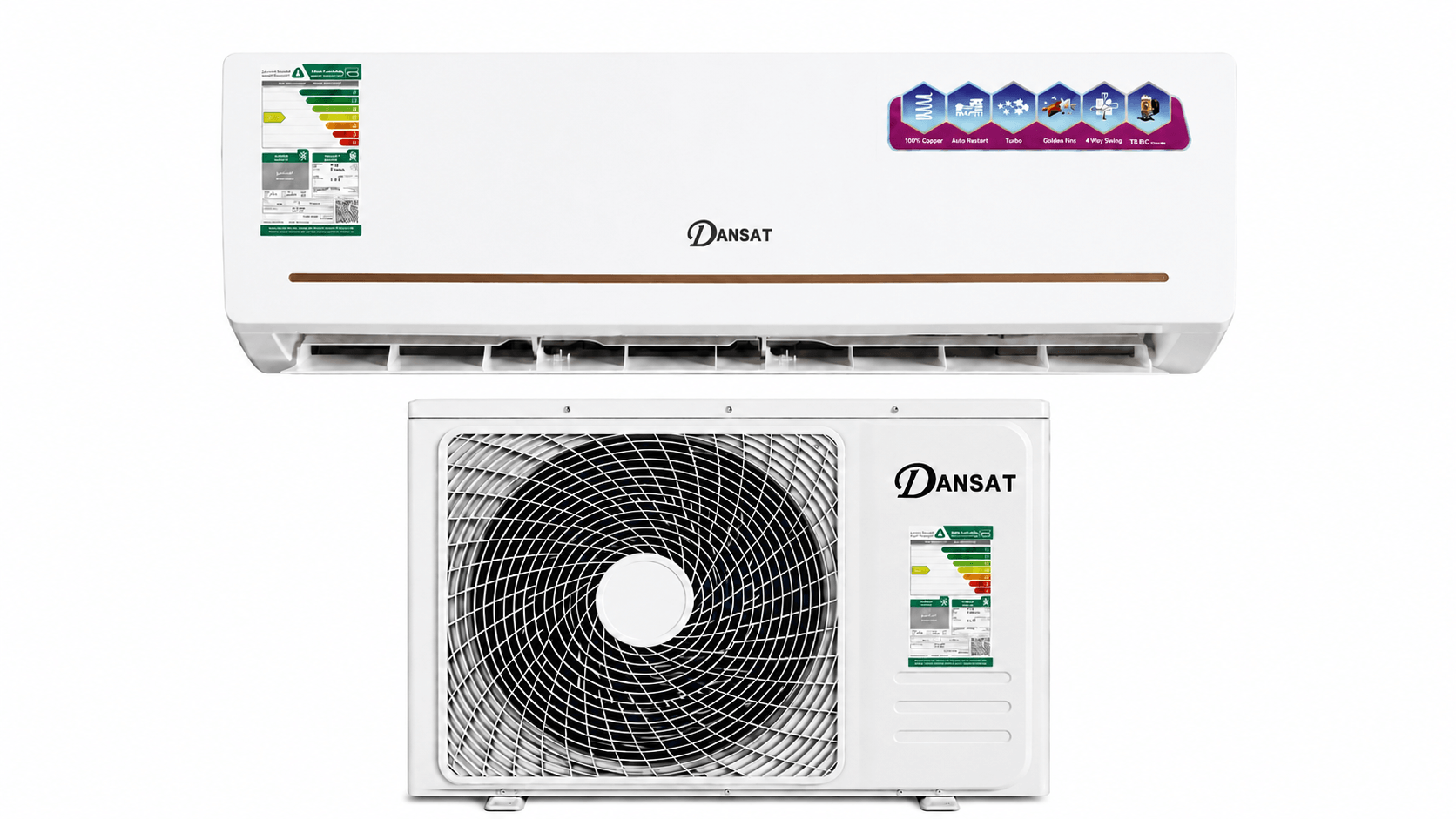


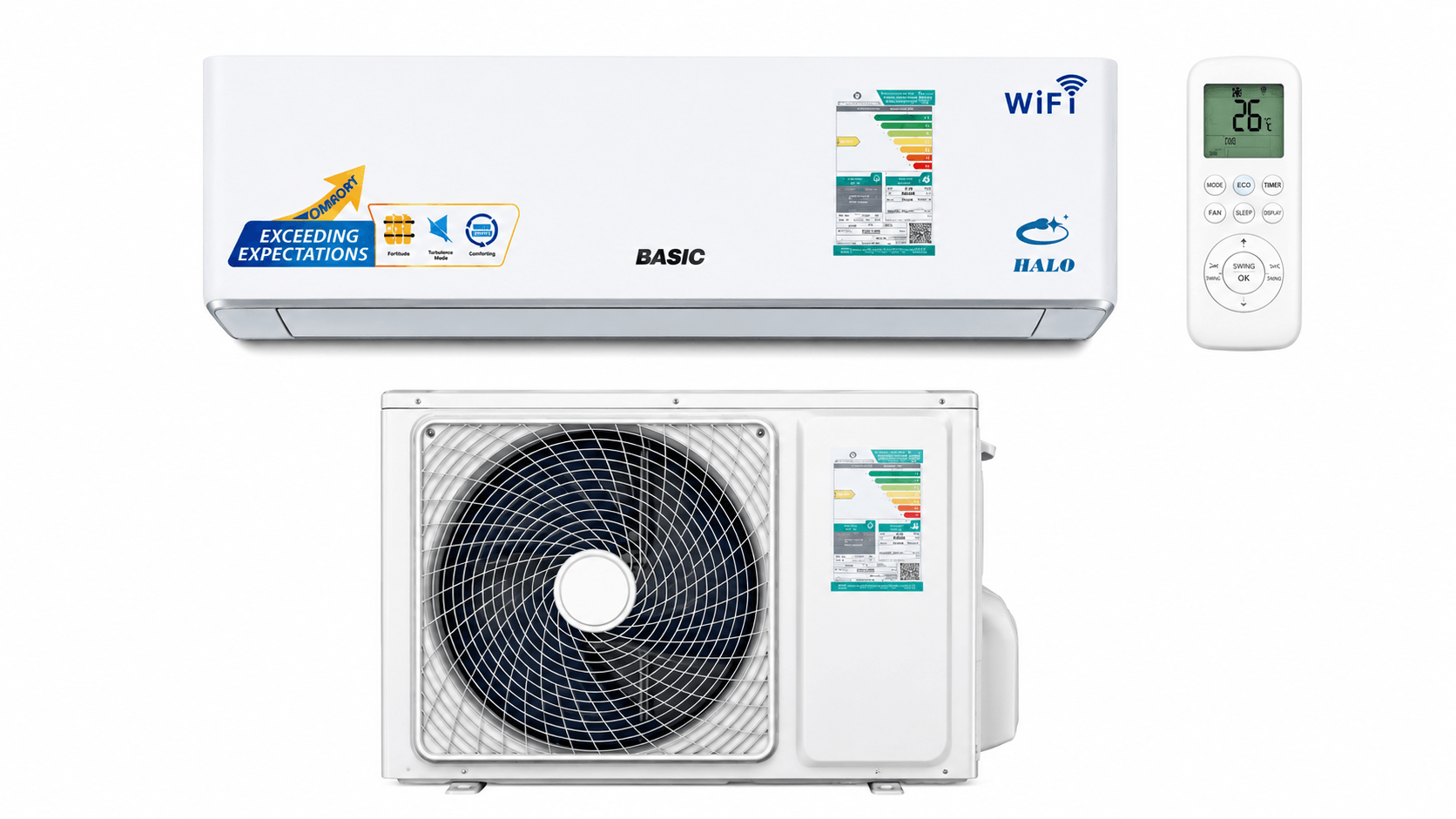
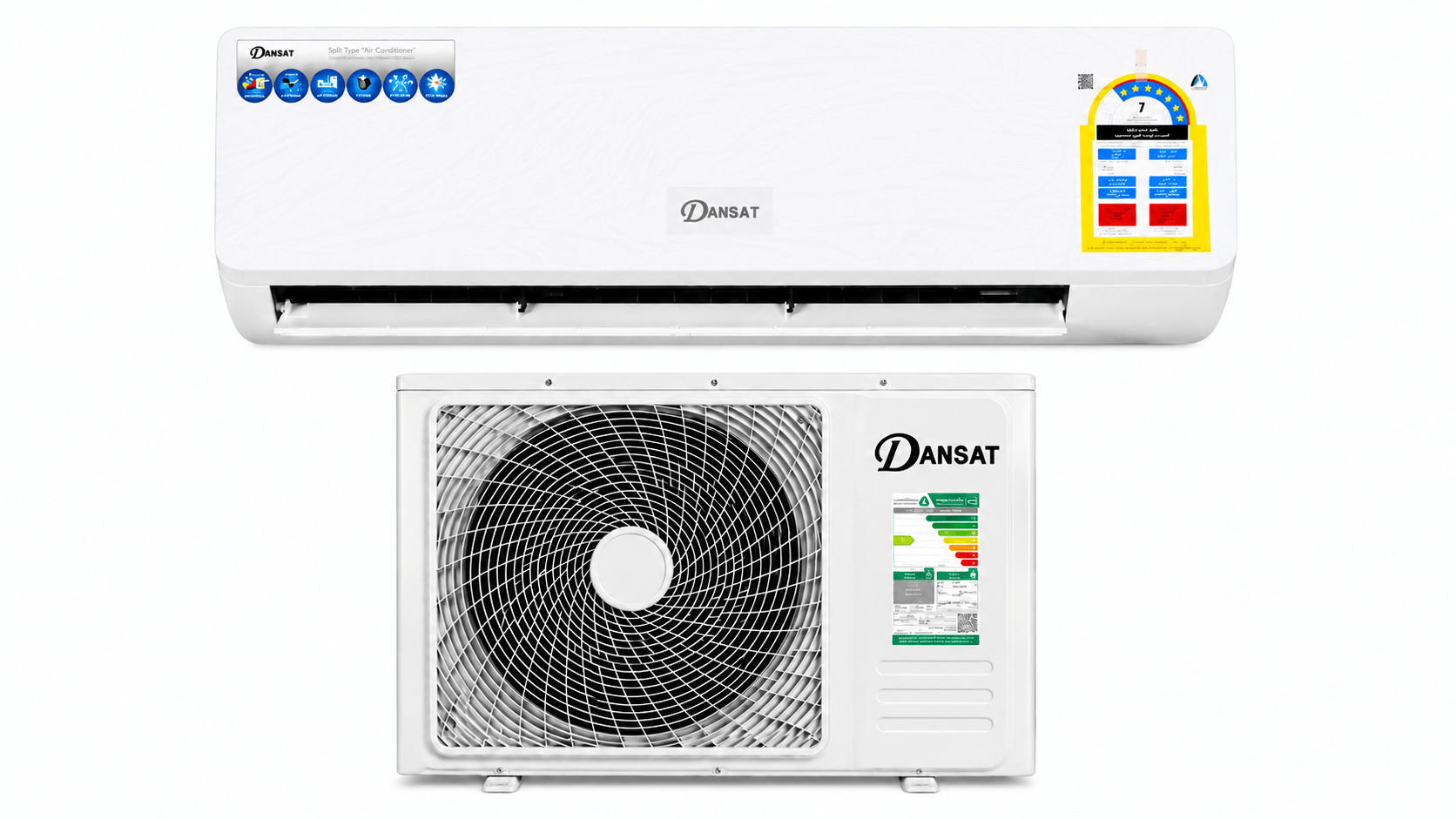
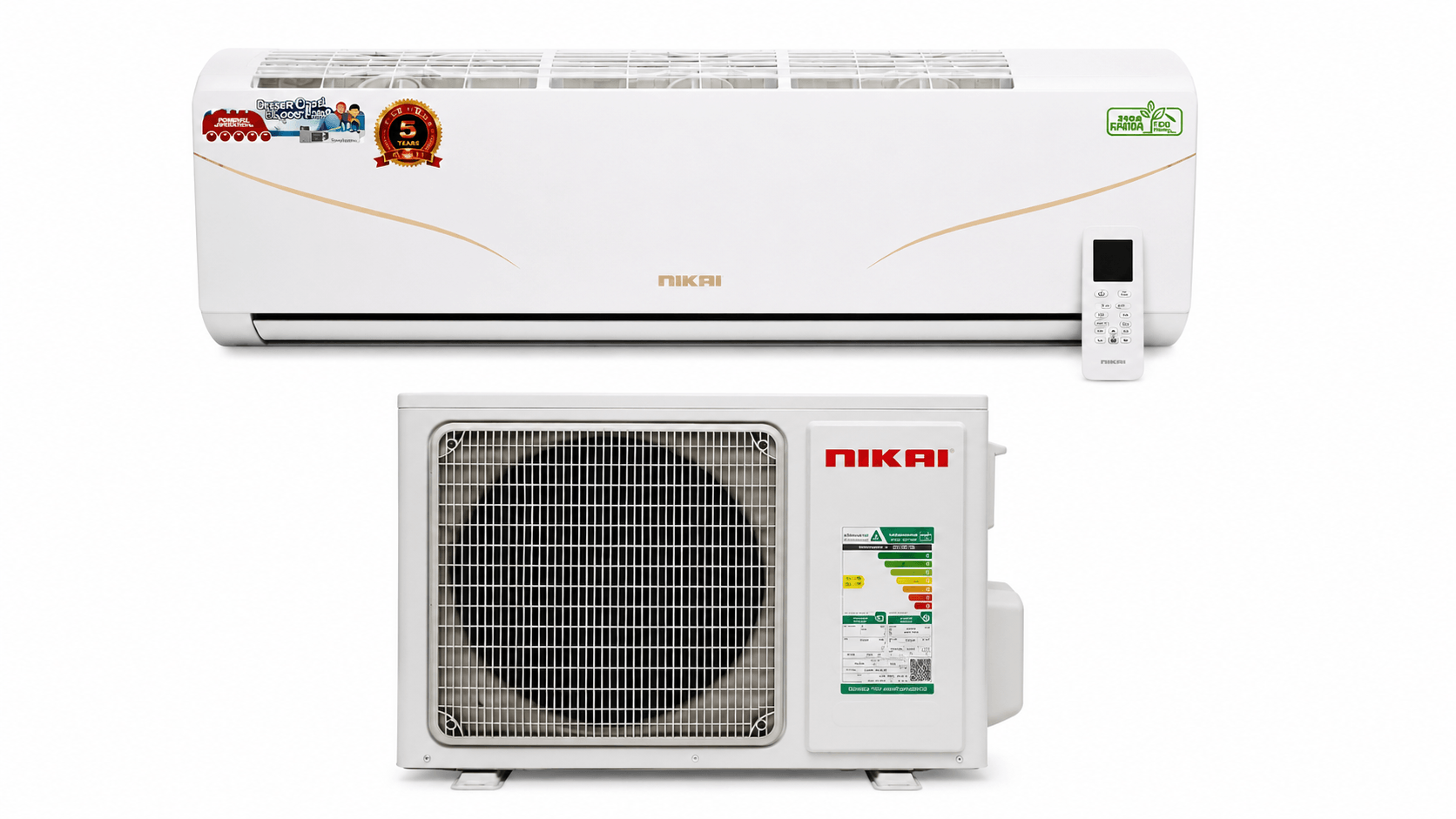
Browse our other services in Saudi Arabia
The right capacity and certified installation from the first visit to start-up
The right capacity
An accurate BTU calculation for your space before you buy
Certified installation
Clean piping and installation with no leaks or noise
A specialist technical team
Technicians trained on the latest AC brands
A real warranty
On supply and installation, with full testing after start-up
From first contact to start-up: clear steps with no surprises
Contact Us
Contact us by WhatsApp or phone and tell us the size of the space and how many units you need
Capacity and quote
We work out the right BTU for your space and prepare a clear quote with no surprises
Site Visit
A specialist team visits the site and plans the unit locations and every technical detail
Supply and installation
Our technical team installs your AC to the highest standards and keeps you updated throughout
Start-up and warranty
Full start-up test and handover with a real warranty on supply and installation
Our headquarters is in Riyadh, and our teams deliver projects across every region of Saudi Arabia with the same quality, engineering supervision and warranty.
Air conditioning in a Saudi home is not a luxury. It is a system that runs for most of the year and affects the comfort of the family, the electricity bill and the life of the equipment itself. Choosing the right unit is only half the job, because the way it is installed decides a large part of how well it performs.
This guide explains the main types of air conditioning and how they differ, how the right capacity is worked out and what happens at each stage of installation. It also covers materials, quality checks, maintenance, the effect of climate across the regions of the Kingdom and what a written quotation should include.
AC supply and installation at Yam Integrated Construction does not stop at delivering a unit and hanging it on a wall. The work starts with a study of the space and ends with a tested start-up and a documented handover. The aim is balanced cooling in every room, without noise, without water leaks and without wasted electricity.
It suits owners of new villas who want the air conditioning planned alongside the structural and finishing stages. It suits palaces that need concealed systems to protect the look of the ceilings and the interior design. It also serves residential buildings, offices, shops and commercial projects that need a large number of units installed in an organised way.
If your home is already built and you want to replace old units, we assess the current situation first. We inspect the existing pipework and decide whether it can be reused or needs renewing. In full construction projects we coordinate the air conditioning with the rest of the work under our construction works service, so openings and routes are ready before plastering and gypsum work. This coordination saves the client from breaking and patching later and gives a cleaner final finish.
In commercial projects we plan the AC works so they do not hold up the other teams on site. We set clear routes for pipes and ducts and leave access panels in well chosen places. We also hand over a drawing that shows the location of every unit and the route of every line, so the operations team can refer to it at any time.
Every type of air conditioning has a place where it works best. The right question is not which type is strongest but which type suits the design of the building and the way it is used. Here is a short comparison to help you before the site visit.
| Type | Suits | Appearance | Installation notes |
|---|---|---|---|
| Wall mounted split | Separate rooms and apartments | Visible unit on the wall | Relatively quick to install and needs a short pipe route |
| Floor standing split | Majlis areas and large living rooms | Unit standing on the floor | Needs a suitable floor position and good drainage |
| Concealed ducted | Villas, palaces and offices | Only grilles in the ceiling | Needs a false ceiling and a designed duct system |
| Central air conditioning | Large buildings and projects | Almost fully hidden | Needs an engineering study and space for the outdoor units |
Split units are the most common choice in homes. Their advantage is that each room has its own control and maintenance is easy. However, many outdoor units on a facade or roof need planning so they do not spoil the view or trap hot air around each other.
Many villa owners choose ducted systems because they keep the walls clean and distribute air quietly. Success depends on the design of the ducts, their sizes and insulation, and on an access panel that makes it easy to reach the indoor unit.
Central systems suit large spaces, commercial buildings and multi storey palaces. They need an accurate load study and early coordination with the architectural design.
In many cases the best answer is a mix of more than one type. For example, concealed ducted units for living rooms and majlis areas, and wall mounted splits for service rooms and annexes.
This mix gives a refined look in the spaces guests see, and flexibility and easy maintenance in the service areas. It also lets you run each part of the house as needed without running the whole system. We discuss these options with you during the site visit and explain the advantages and limits of each one before you decide.
The most common problem we see in homes is the wrong capacity. A small unit in a large room runs without stopping, never reaches the required temperature and wears itself out quickly. A large unit in a small room cools fast, switches off, starts again and leaves the air humid and uncomfortable. That is why we calculate the capacity for each space separately and do not rely on floor area alone.
The indoor unit is placed so that air spreads across the whole space and does not blow directly onto seating or sleeping areas. The outdoor unit needs good ventilation, shade where possible and a suitable distance from walls. It also needs a firm base and easy access for the technician during maintenance. Keeping the distance between the two units short improves performance and reduces the chance of leaks.
The cost depends on clear factors that can be discussed in the quotation. These include the type of system, the number of units, their capacities and the chosen brand. They also include the length of the pipe runs, how difficult the routes are and whether the building is new or already occupied. The type of accessories matters too, such as copper thickness, insulation quality, installation height and whether the site needs scaffolding or extra gypsum work.
Real savings come from the right capacity and sound installation, not from the cheapest unit or the cheapest technician. A unit that suits the space runs comfortably, uses less electricity and lasts longer. The wrong unit may cost less on the day you buy it, then cost more in bills and breakdowns.
For this reason we prefer to review the architectural drawing with you, if there is one, before setting the capacities. The drawing reveals large glazed areas, high ceilings and open spaces that need special distribution. It helps us suggest a suitable number of units, neither too many nor too few.
Good installation is a chain of connected steps. Any step that is cut short shows up later as weak cooling, a leak or an annoying noise. These are the stages we follow in villas and projects.
Most of these mistakes do not appear on handover day but after a period of use. That is why we give the hidden steps the same attention as the final look, and we check every unit after start-up before leaving the site.
Many clients focus on the brand of the unit and forget the accessories. Yet an excellent unit with weak pipes or poor insulation gives an average result. That is why our quotation states the type of every material instead of leaving it open.
You have the right to see the steps and not only the result. Ask the team to show you the pressure test reading before the refrigerant is released. Ask for the vacuum pump to keep running for the time the technician sets, then for the reading to be confirmed as stable. After start-up, ask for the temperature difference at the air outlet and the compressor current to be measured.
There are simple checks you can do yourself. Pour a little water into the tray of the indoor unit and make sure it comes out at the end of the drain. Listen to the indoor unit at night and make sure it is quiet. Feel the insulation on the visible pipes and make sure it is dry and fully closed.
At Yam Integrated Construction we document these checks with photos and send them to the client during the work. This gives you peace of mind even if you are not on site during installation, and it remains a useful record for any future maintenance.
It is also important to keep the unit invoices and serial numbers in the project file. This information makes any warranty claim easier and helps the technician identify the model and the right spare parts quickly. We hand over this file in order, together with installation photos and a drawing of the unit locations.
Regular AC maintenance keeps cooling strong and reduces sudden breakdowns in the hot season. Some of it the homeowner can do, and some needs a specialist technician.
Washing the indoor and outdoor units with suitable equipment, checking refrigerant pressure, cleaning the drain line and inspecting the electrical connections. A full inspection before the start of summer is recommended so the units enter the season ready.
In the central region, such as Riyadh and Qassim, temperatures are high, the air is dry and dust is common. Here we focus on ventilating the outdoor units, choosing shaded positions and stressing the cleaning of filters and condensers.
In coastal cities such as Jeddah, Dammam, Al Khobar and Jazan, humidity is high and the air is salty. Here we focus on protecting outdoor units from corrosion and fully insulating the pipes, because condensation is greater. We also pay attention to condensate drainage, since the amount of water is larger than in dry regions.
In the southern highlands such as Abha, Khamis Mushait and Al Baha, summers are milder and winters are cold. Here units with heating as well as cooling are a good choice, and the required capacities may differ from those in central cities for the same area.
In every case we recommend inverter units for spaces where the AC runs for long periods, because they adjust their speed to demand and hold a steady temperature.
Remember that good insulation of the roof, walls and windows reduces the load on the AC in every region. If your home needs better insulation or new windows, it is better to think about it together with the AC project rather than after it, because improved insulation may change the required capacity and clearly reduce consumption.
Comparing AC contractors on price alone often leads to the wrong choice. Two offers may look similar, yet one includes thicker copper, better insulation and full testing while the other does not. So read the details before the number.
Is the pressure test done with nitrogen. Is a vacuum pump used. Who is responsible for coordinating with the carpenter, the gypsum team and the electrician. Who will respond if a problem appears after handover. Clear answers to these questions tell you more about a contractor than any advertisement. Be careful with offers that list only the number of units without any detail on accessories and testing, because they open the door to disputes later.
We start with a site visit to understand your needs, then prepare a written quotation that explains every item. After approval, one team is responsible for supply, pipework and installation under engineering supervision. We send you photos of the key stages, such as the pipework before it is closed, the pressure test and the final start-up. We hand over with a written warranty documented in the contract, and we use approved materials.
Our head office is in Riyadh, in the Al Suwaidi district, and we serve projects in Jeddah, Makkah, Madinah, Dammam, Al Khobar, Taif, Abha, Tabuk, Buraydah and the rest of the Kingdom. To arrange a site visit you can contact us and send the details of the space.
Many disputes after installation happen because the specifications were never written down at the start. A client agrees on an AC unit of a certain capacity, then finds out the model is different or the pipework is less than expected. That is why we recommend asking any contractor for a clear list of specifications that forms part of the contract, not a verbal promise that fades over time.
Also ask for the actual capacity as stated in the manufacturer brochure, not just the marketing figure. If the project has several rooms, ask for a schedule that links each room to its unit, its capacity and its location. This schedule makes it easy to check the delivery and prevents units being swapped between rooms by mistake. It also helps later with maintenance, because you know the model of every unit without hunting for the label.
These items look technical, but they decide the life and the real performance of the system. A good unit with thin copper or weak insulation cools less than expected and uses more electricity. The wrong breaker can cause repeated tripping or damage the unit. So the words "full installation" on a quotation are not enough without detail.
Sometimes a model becomes unavailable in the market. In that case the substitute should be written down by name and model number, and you approve it before delivery. Do not accept a phrase such as "or equivalent" without a clear definition, because it opens the door to a big difference in quality. At Yam Integrated Construction we attach the specifications to the written quotation and tell you about any change before it is made, so the picture stays clear from the start to handover.
Installation day runs smoothly when the site is ready. A lot of delay comes from simple things, such as a power point that is not ready or an outdoor unit location that has not been decided. Here is a practical checklist to use before the team arrives, which also cuts down on repeat visits.
It also helps to prepare photos or a simple sketch of the home showing fixed furniture such as wardrobes, curtains and the TV. These affect where the indoor unit goes and the direction of the airflow. A unit placed right above a bed or behind a heavy curtain will not give the comfort you want, even if its capacity is correct.
If the home is occupied, plan the installation room by room so the rest of the house stays usable. Move light furniture away from the target wall and cover what cannot be moved with clean sheets. Keep children away from ladders, tools and materials while work is under way. Having one family member as the contact for the team makes quick decisions easier, such as moving a unit slightly or changing a pipe route.
Also secure valuables and electronic devices in the rooms the team will enter. This gives you peace of mind and makes the work faster and calmer for everyone.
On commercial sites, schedule the installation at a time with fewer visitors or customers. Tell staff which areas the team will work in so movement is not disrupted. Protect sensitive equipment, desks and stock from the dust created by drilling. If the building is shared with others, coordinate in advance with the building management about using the lift and the roof.
At Yam Integrated Construction we send you a list of what the site needs before work begins, and we go through it with you point by point during the site visit. That way the team can start work as soon as it arrives, with no waiting and no sudden change of plan.
When several quotations arrive for supplying and installing AC units, the only difference may seem to be the total. But the lowest quotation is not always the best value. Each contractor may count different items or leave important ones out. A proper comparison starts with putting the quotations side by side and reading every line.
| Item | What to check |
|---|---|
| Unit | Brand, model, capacity and type of unit |
| Pipework | Length of copper included and how any extra is charged |
| Insulation and drainage | Type of insulation, drain route and material |
| Electrical | Breaker, cable and whether connection from the board is included |
| Brackets | Type of outdoor unit bracket and anti-vibration pads |
| Testing | Pressure test, vacuuming and trial run |
| Warranty | Unit warranty and installation warranty, each stated separately |
If you find an item in one quotation and not in another, do not assume it is included. Ask about it directly and ask for it to be added in writing, or for the reason it is missing.
The item that causes the most surprises is the length of the pipework. Some quotations state a limited length and then charge every extra later. Some leave out the bracket, the wall openings or repainting around the opening. Others say "installation" without making clear whether it includes nitrogen testing and vacuuming. These small differences add up and change the whole picture.
Our advice is to give every contractor the same list of units and the same locations so the comparison is fair. If one of them suggests a different capacity or another type of unit, ask for the reason in writing. The suggestion may well be right, but you should understand it before you base your decision on it. Write your notes next to each item and ask about any unclear line before you approve.
At Yam Integrated Construction we write every item in the quotation clearly and answer your questions in writing, so you compare on a clear basis and know what you will get before you sign.
AC installation overlaps with electrical work, gypsum ceilings, painting and insulation. Without coordination between these trades, mistakes can happen that are hard to fix, such as a hole through the roof insulation, a pipe running inside a finished ceiling with no access panel, or an indoor unit placed over a light point.
The electrician needs to know the load of every AC unit before preparing the board. A separate circuit for each unit reduces tripping and protects the other appliances in the home. The location of isolator switches near the outdoor units should also be agreed so maintenance can be done safely.
With concealed ducted and cassette systems, the units and ducts must be fixed before the ceiling is closed, and access panels must be left in well chosen, reachable places. With split units, it is better to prepare the wall openings before the final paint and do the touch ups after installation.
If there is wood cladding or built in wardrobes on the walls, the unit locations must be agreed before they are made. An indoor unit needs free space around it for airflow and maintenance. Concealed duct grilles must match the ceiling design and lighting so they do not look like an afterthought.
Any hole in an insulated roof must be sealed in a way that stops water getting in. Outdoor unit brackets are best placed on bases that do not damage the waterproofing layers. Unit drainage should run away from rainwater paths so water does not collect on the roof.
On larger projects, a short site meeting that brings the electrical, gypsum and AC teams together before each stage is very useful. It reveals clashes early and saves rework.
When the work is handled by one accountable team, as with our construction works service, coordination is easier, because each stage takes account of what comes before and after it under one engineering supervision. At Yam Integrated Construction we put the sequence of works in writing and share it with you and with the other teams on site.
AC needs differ between a family home and an office or shop that receives customers. The difference is not only in capacity. It covers the type of system, how it runs, how it is controlled and how it is maintained. That is why a ready made solution should not be copied from one project to another without study.
At home, quietness comes first, especially in bedrooms. So it is better to choose low noise units and place the outdoor units away from bedroom windows. Air distribution in large majlis rooms also matters, so one part is not too cold while another stays warm. In palaces and large villas, combining concealed ducted units in the majlis areas with split units in the rooms can be a practical solution that balances appearance and flexibility.
On commercial sites the system runs for long, continuous periods. That makes efficiency and ease of maintenance more important than looks. Doors that open often in shops also let hot air in all the time. So the capacity needs a calculation that allows for people coming and going, the number of occupants, the lighting and the equipment.
These spaces hold many people at set times and then empty. They need a capacity that handles the peak and a control system that allows only some units to run when fewer people are present. Outlet layout matters too, so cold air is not aimed only at the front rows.
In residential buildings and compounds, standardising the brand and model makes maintenance easier and spare parts easier to find. Pipe and drain routes must be planned on every floor, and outdoor unit locations must be organised so they do not spoil the facade or disturb the neighbours.
| Item | Residential | Commercial |
|---|---|---|
| Priority | Quiet and comfort | Efficiency and continuous running |
| Control | Separate control for each room | Central or zone control |
| Maintenance | Periodic, based on use | Regular schedule that reduces downtime |
| Outdoor unit location | Away from bedrooms | Organised on the roof or in a service area |
In clinics and laboratories, the space may need particular attention to air quality, filters and easy cleaning. These details are discussed during the site visit before the units are chosen.
At Yam Integrated Construction we start by asking how the space is used before suggesting any unit. Then we propose the system that suits the space and explain why. We serve villas and projects in Riyadh, Jeddah, Dammam and the other cities of the Kingdom.
Many homes have old AC units that still work but use more electricity and cool less. An owner may also want to add units after extending an annex or turning a room into a majlis. The steps here differ from a new installation, because there is an existing system that must be understood first.
Old pipework should not be judged by its appearance alone. The copper diameter and condition and the state of the insulation must be checked, and the line must be confirmed free of leaks. If the new unit uses a different refrigerant, the copper may need special flushing or full replacement. This is a technical decision, and it is explained to you in writing before the work so you know the reason.
When adding new units, the capacity of the electrical board must be reviewed first. Adding loads without a review causes repeated tripping and may affect other appliances. The new outdoor units must also be placed where they do not block airflow to the existing units or raise the heat around them.
It is also important to review the locations of the old units themselves. Some units were installed in poor positions, such as a wall facing the sun all day or a corner the air does not reach. Replacement is a chance to correct these locations rather than repeat the same mistake. Moving a unit a short distance can be enough to improve cooling and noticeably reduce consumption.
Removing an old unit requires recovering the refrigerant properly. The old wall openings are then closed and treated inside and out. If the indoor unit moves, the mark left by the old bracket must be repaired and painted so no trace remains.
Remember that the new unit may be a different size from the old one. Measure the space before buying and check that the new unit covers the old marks or that the wall will be repaired.
If the replacement is part of a wider home upgrade, it can be linked to renovation works so everything happens in one sequence without repeated breaking. The Yam Integrated Construction team inspects the existing units and writes down what is worth keeping and what needs changing before preparing the quotation.
Not every project needs the top range of units. The smart decision is to put the budget where it has the most effect on comfort and consumption. Some spaces deserve a higher efficiency unit, and others are fine with a practical, reliable one.
That last idea matters a lot. Preparing the pipework at the construction stage and installing the units later spreads the cost without any need for breaking in the future.
In some villas, split units in every room are the most economical choice at the start. In others, concealed ducted or central systems are a better fit in the long run because of their appearance and easier control. A proper comparison does not look at purchase cost alone. It also weighs consumption, maintenance and comfort. That is why we present the options side by side with a short explanation of each, so you choose with confidence.
Demand for installation rises sharply at the start of summer in most cities of the Kingdom. At that time booking becomes harder, and some models may arrive late. So we recommend planning during the milder months before the heat peaks. Working on roofs in mild weather is also easier and safer for the team. In the southern highlands, such as Abha and Khamis Mushait, the need for heating in winter can be a reason to choose cooling and heating units.
In coastal cities such as Jeddah and Dammam, demand also rises as humidity increases. Planning early gives you a better chance to choose the right model without rushing.
Saving on the unit range is possible and acceptable. Saving on copper, insulation or testing shows up quickly in performance, faults and the electricity bill. At Yam Integrated Construction we present more than one option clearly and explain the effect of each on comfort and maintenance. Then you decide once you have the full picture.
Handover is not just switching the unit on and checking that it cools. It is an organised inspection that confirms everything you agreed was carried out as written. After it, the written warranty starts and protects you if any problem appears.
Some signs point to careless installation even when the unit works. An indoor unit that is not level, or a drain pipe with no clear slope. Torn insulation, or insulation wrapped randomly with tape. An outdoor unit on a bracket that shakes, or so close to a wall that hot air cannot escape. Frost on the pipes, or a repeated clicking sound when the unit runs. Report these to the contractor before final handover and ask for them to be fixed.
Ask the technician to measure the temperature of the air leaving the unit and compare it with the room air. Ask for the refrigerant pressure and the running current to be read and recorded in the handover report. These readings become a reference for any later maintenance, because they show the condition of the unit at handover.
There are two different warranties. The manufacturer warranty covers the unit and its parts. The contractor warranty covers the installation, such as leaks, drainage and connections. You need to know the difference and who to contact in each case. A warranty usually does not cover misuse or tampering by another technician. So keep the written warranty and report any issue to the contractor first.
Ask the technician to show you how to clean the filters yourself and which operating modes save energy. Using the unit correctly from day one protects it and reduces faults.
At Yam Integrated Construction we give you a signed handover report and a written warranty documented in the contract. We send you photos of the work stages to keep as a reference for any future maintenance. If an issue appears after handover, we deal with it as the warranty sets out.
The questions clients ask us most before buying and installing an AC
We work out the right capacity from the room size, number of windows and sun direction. Contact us with the details and we will recommend the best capacity.
Our prices include supply, installation and full testing, and we explain the full quote before you confirm.
Yes. We give a real warranty on supply and installation, and explain the warranty terms before we start.
Yes. We are headquartered in Riyadh and deliver projects in all cities and regions of Saudi Arabia: Jeddah, Makkah, Madinah, Dammam, Khobar, Taif, Abha and more.
We supply and install split ACs in every capacity, as well as central AC systems for villas and buildings.
We agree the payment method with you in detail before installation starts, clearly and with no surprises.
It depends on the condition and size of the pipes and the refrigerant type in the new unit. We inspect the pipework during the site visit and tell you clearly whether it can be reused or needs renewing before installation.
An inverter AC changes the compressor speed to match demand instead of switching on and off repeatedly. This gives a steadier temperature and quieter operation, and suits rooms where the AC runs for long periods.
A concealed ducted system suits a space with a false ceiling or enough room above the ceiling for the ducts. It is best planned before the gypsum work so the routes and access panels are prepared correctly.
The cause is usually too little slope on the drain pipe, a blockage in it or missing insulation on the pipes. A technical inspection pinpoints the cause and fixes it before the wall or ceiling is damaged.
Yes. We can prepare the pipework and routes during construction according to the approved AC layout. The units are then installed after the finishing work is complete, with no need for breaking.
Yes. Periodic maintenance can be agreed covering washing, refrigerant checks, drainage and electrical connections. We set its scope and details in a written agreement based on the number of units and the type of system.
Leave your details and WhatsApp will open with your message ready to send to our support team.