عربي
Yam Integrated Construction - YAMIC
Menu
Language
Natural Stone & GRC

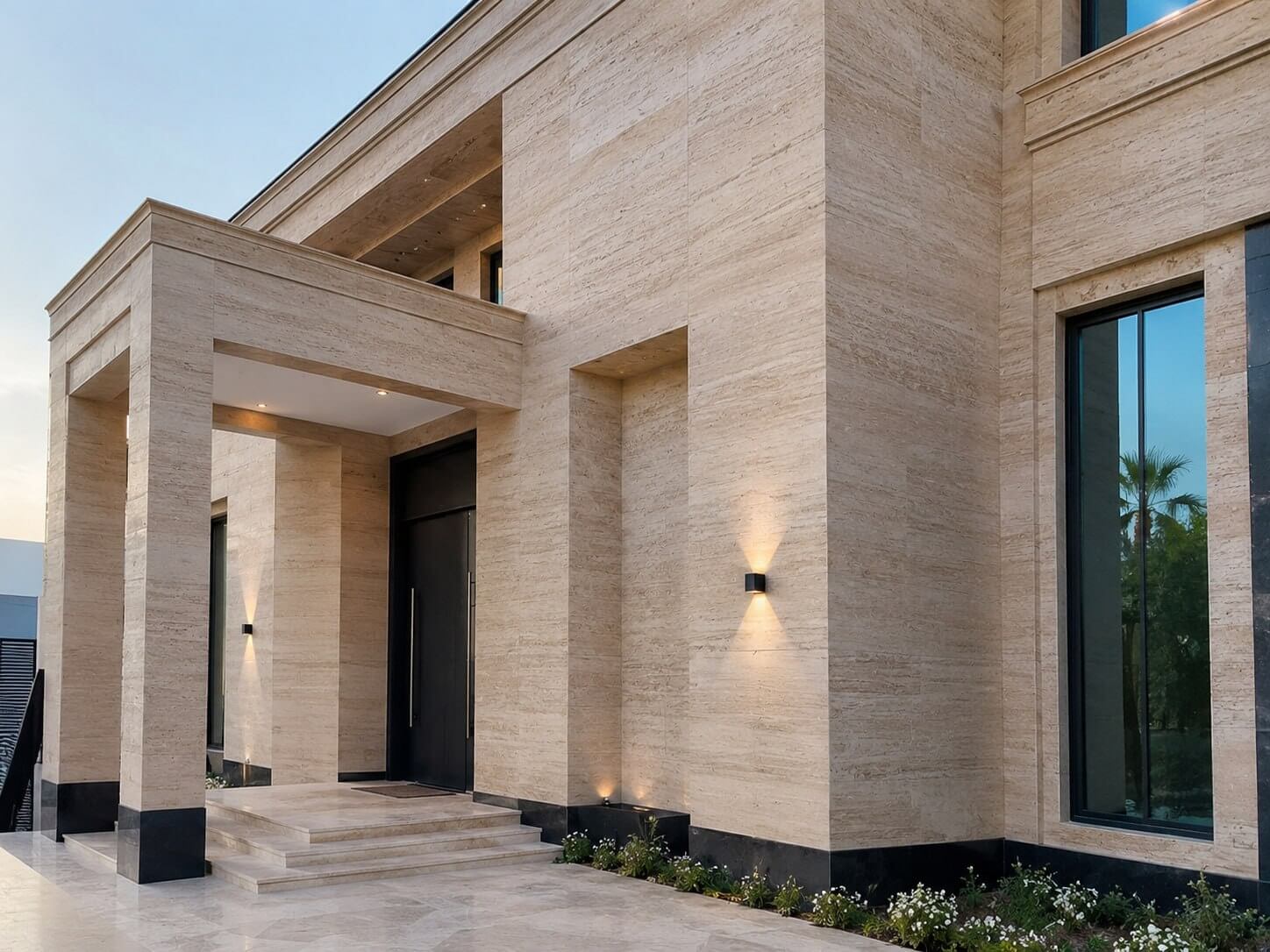
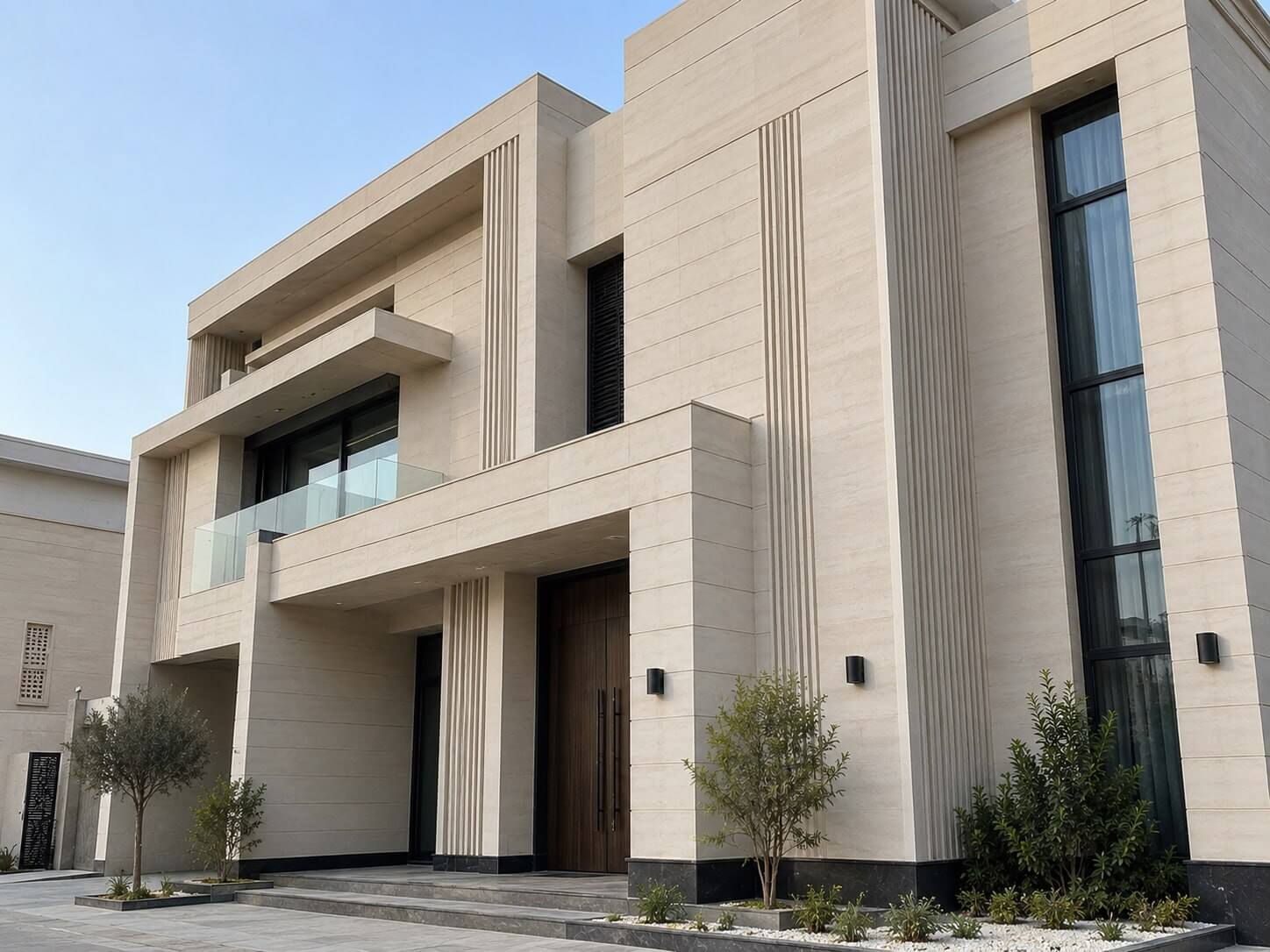
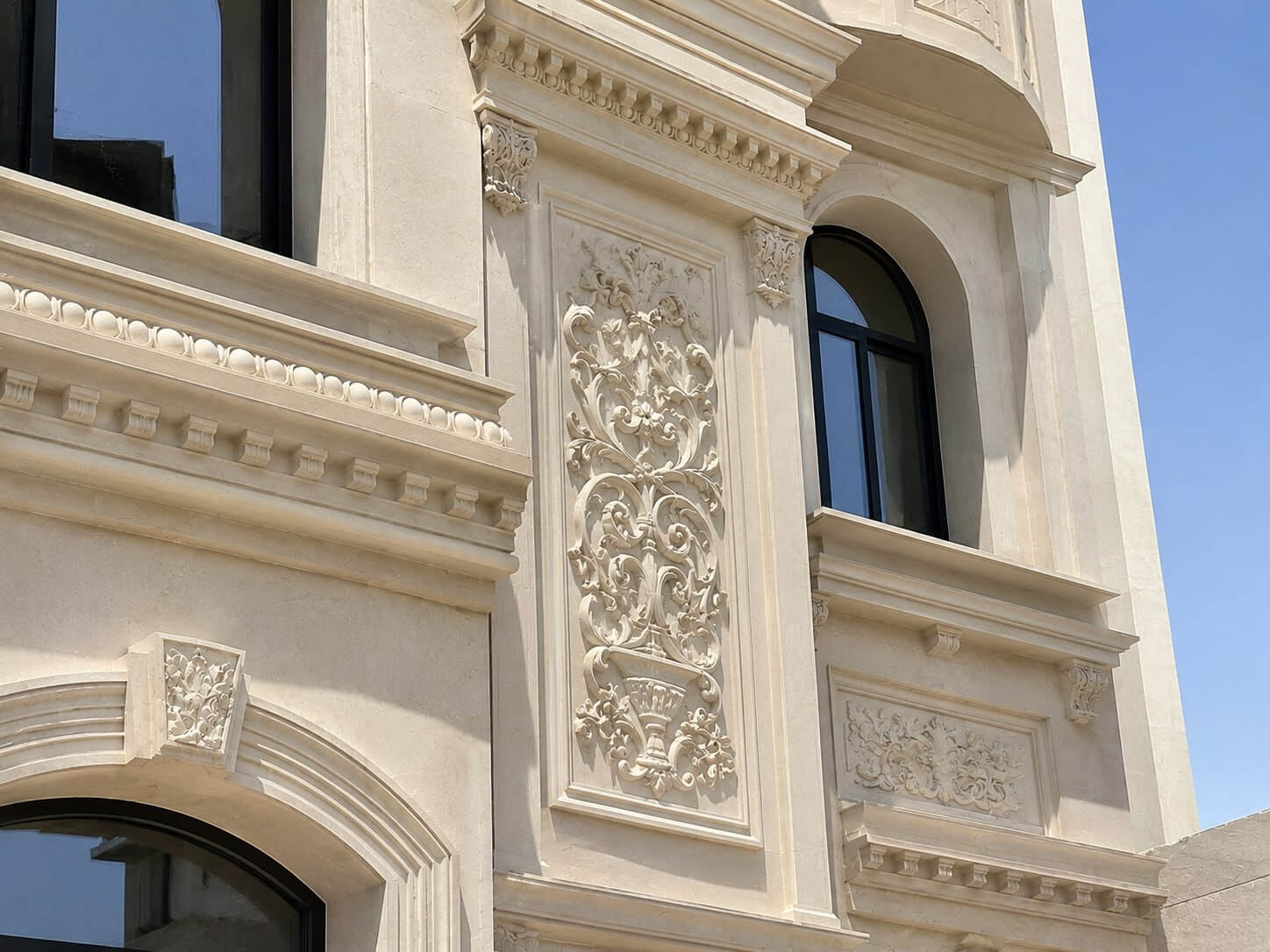
Natural stone and GRC facades in Saudi Arabia, from design to installation

From choosing the right material to the final finishing touch, your facade is in the hands of a specialist team

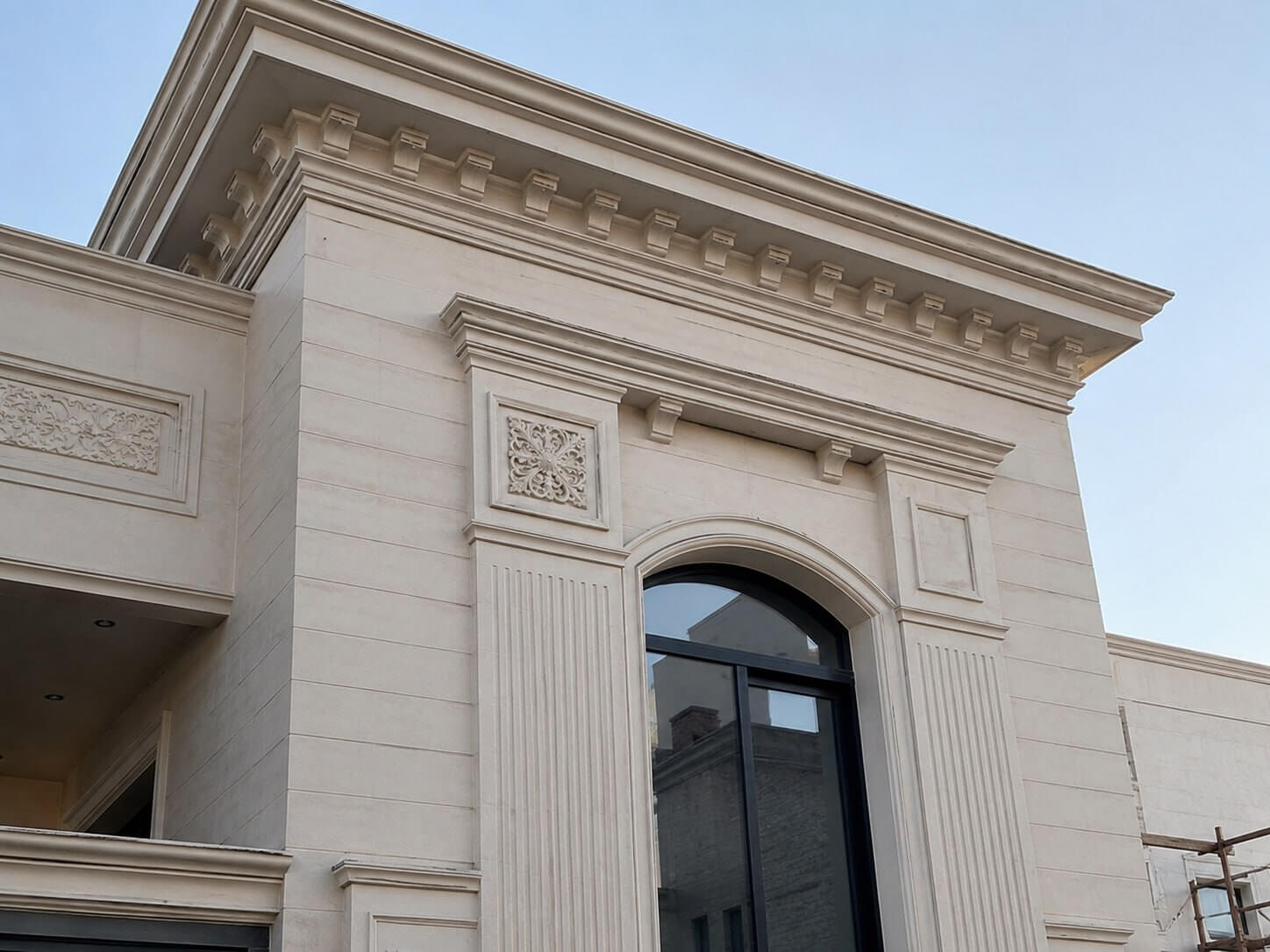
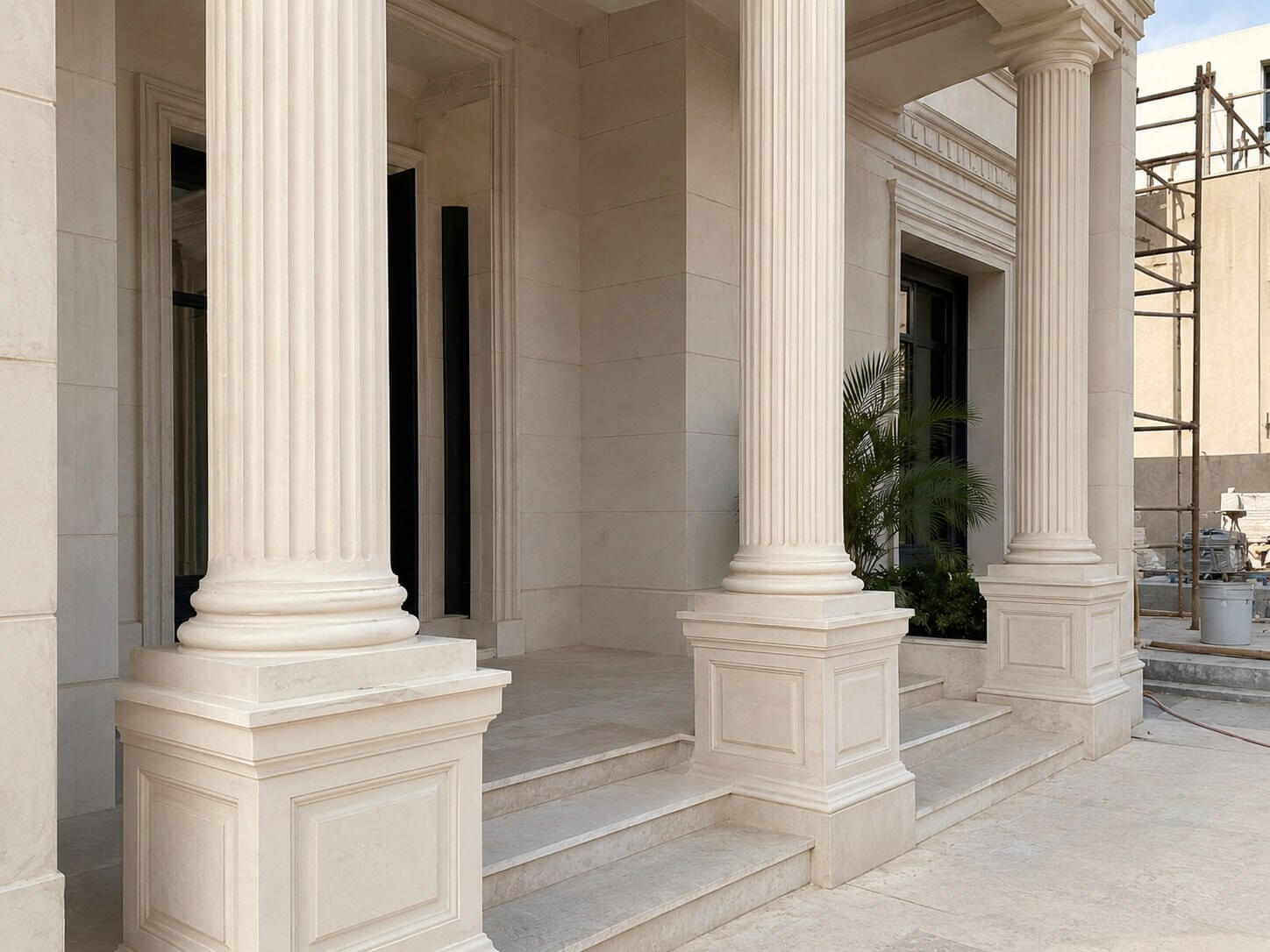
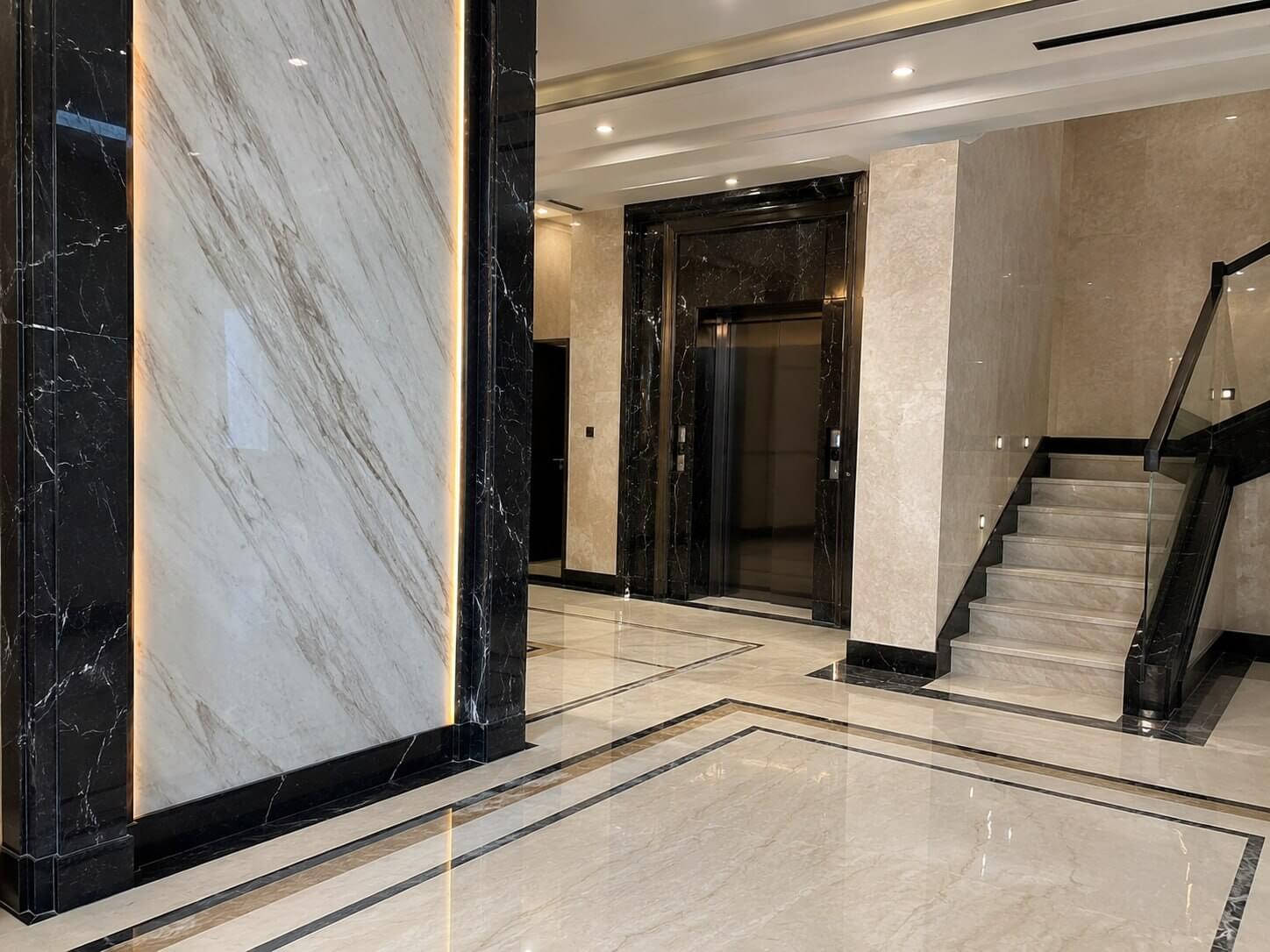
We deliver complete natural stone and GRC installation and finishing across Saudi Arabia: natural stone facades, GRC finishes, cornices and decorative units, columns and bases, marble and granite, and restoration and cleaning of older stone facades, with close engineering supervision, a professional team and a real warranty at every stage.

Need another service?

Browse our other services in Saudi Arabia

Real results

Natural stone and GRC before and after in Saudi Arabia

See the stages of our facade work, from choosing the stone to the final finish, in Saudi Arabia

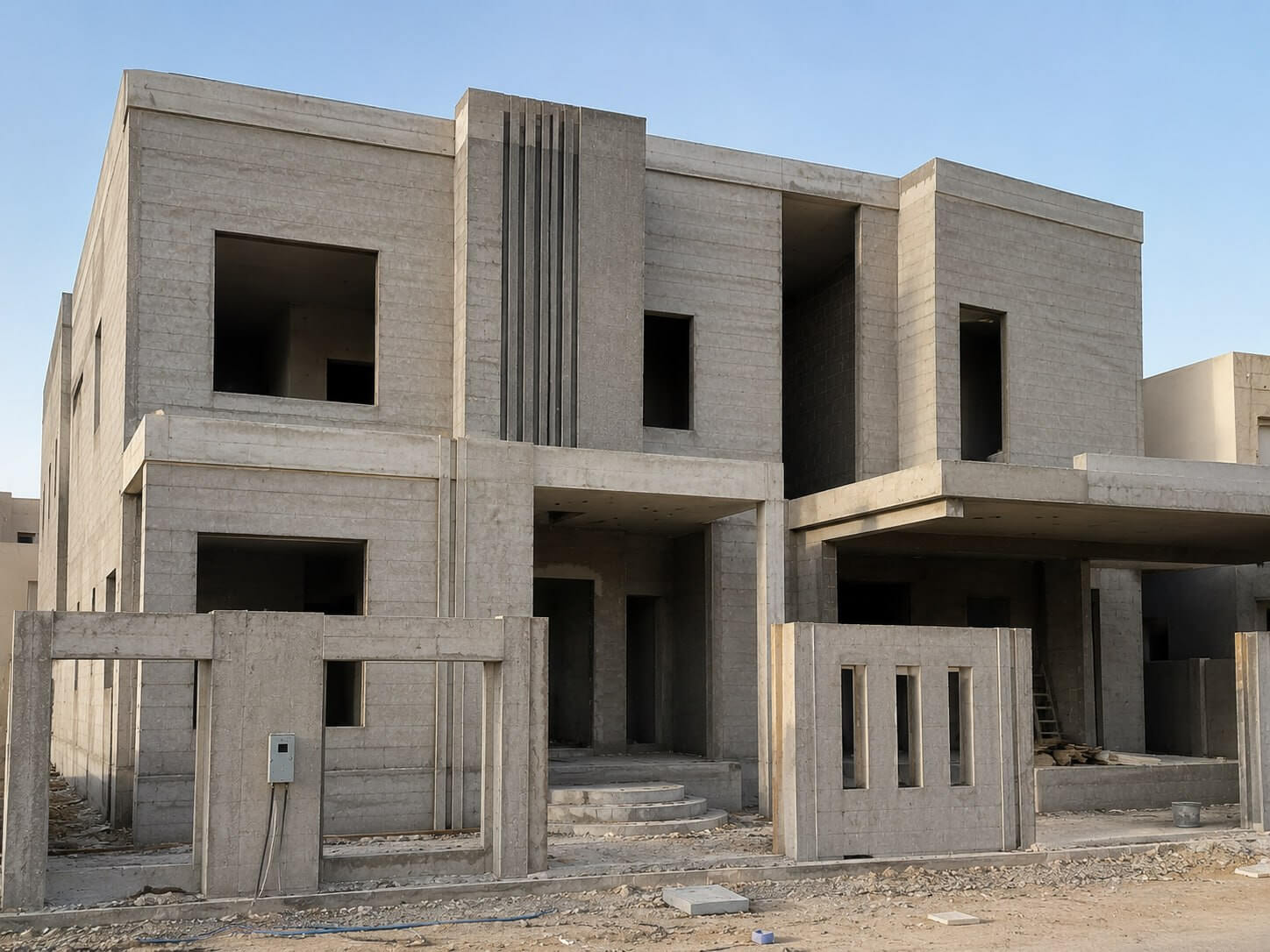
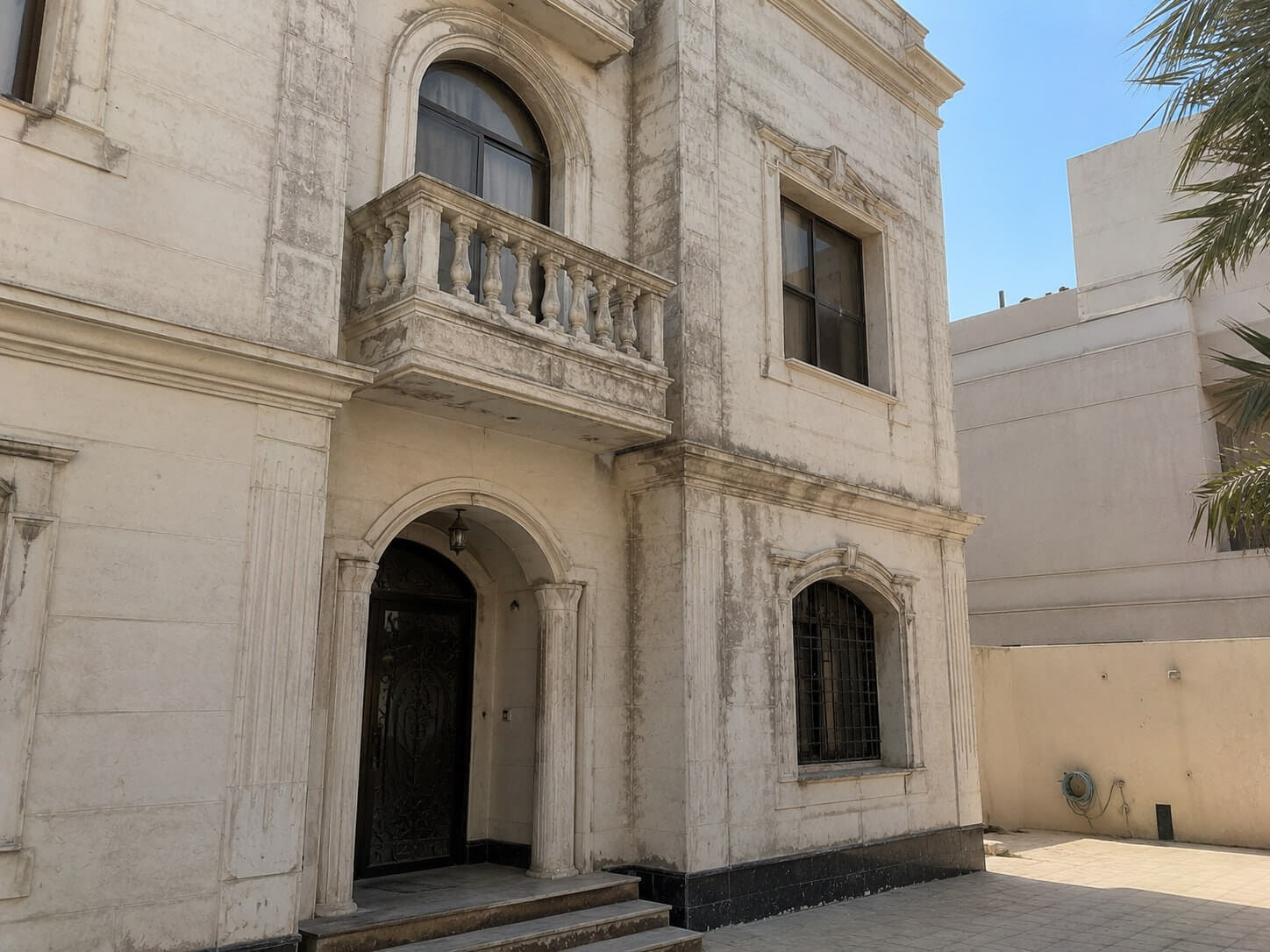
BeforeNatural stone facade installation - before
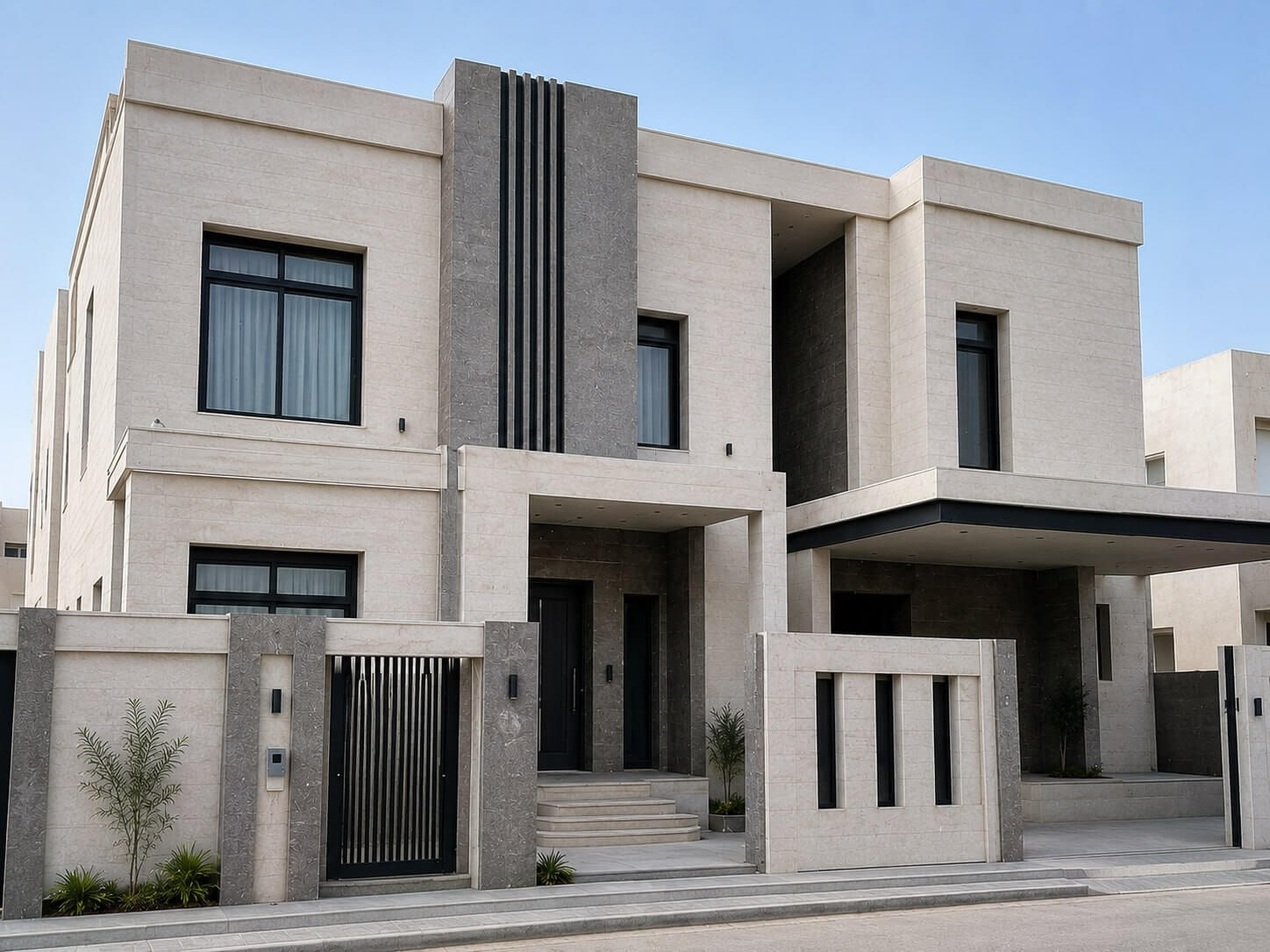
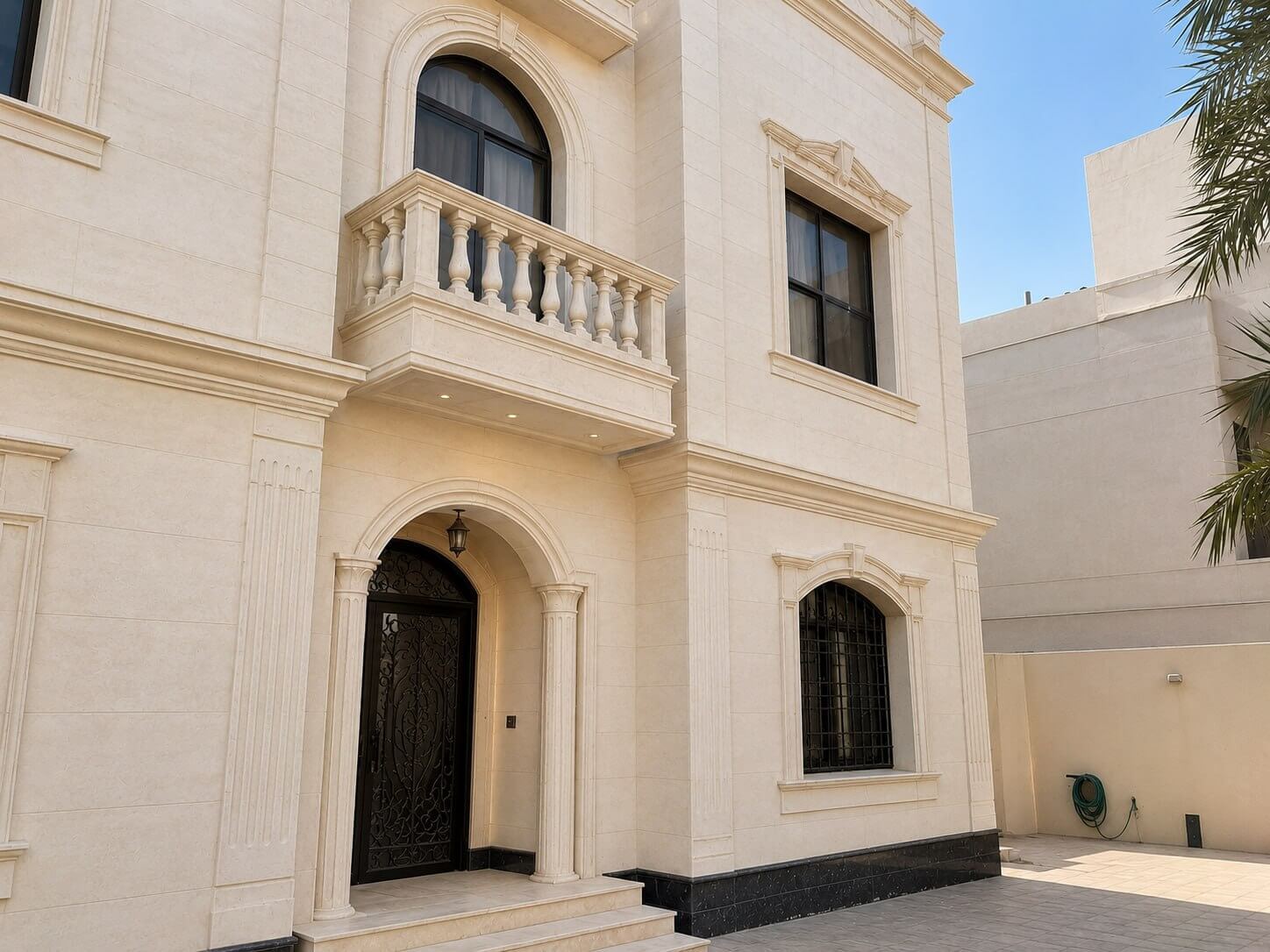
AfterNatural stone facade installation - after

Natural stone facade installation

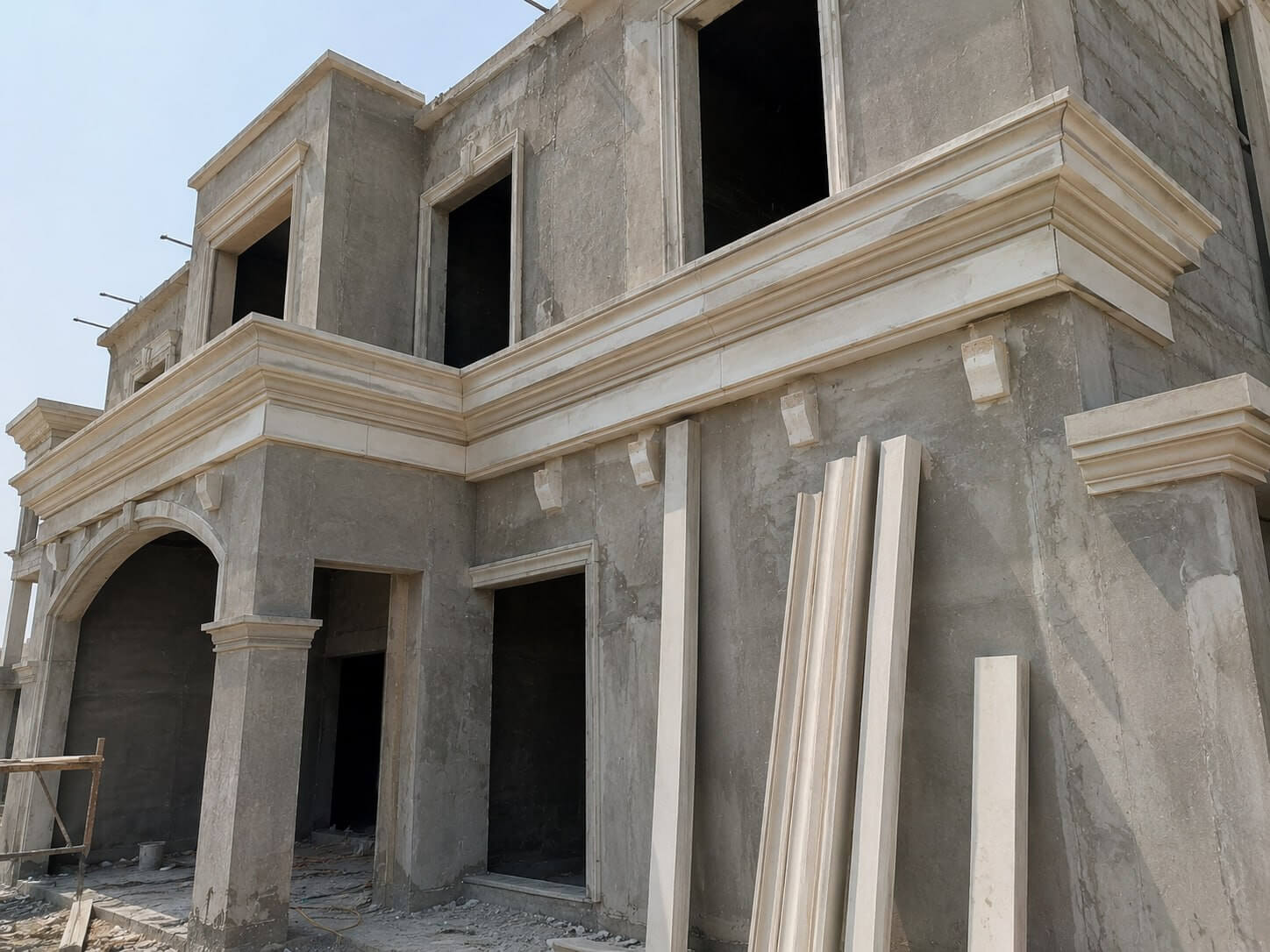
BeforeGRC cornice and unit installation - before
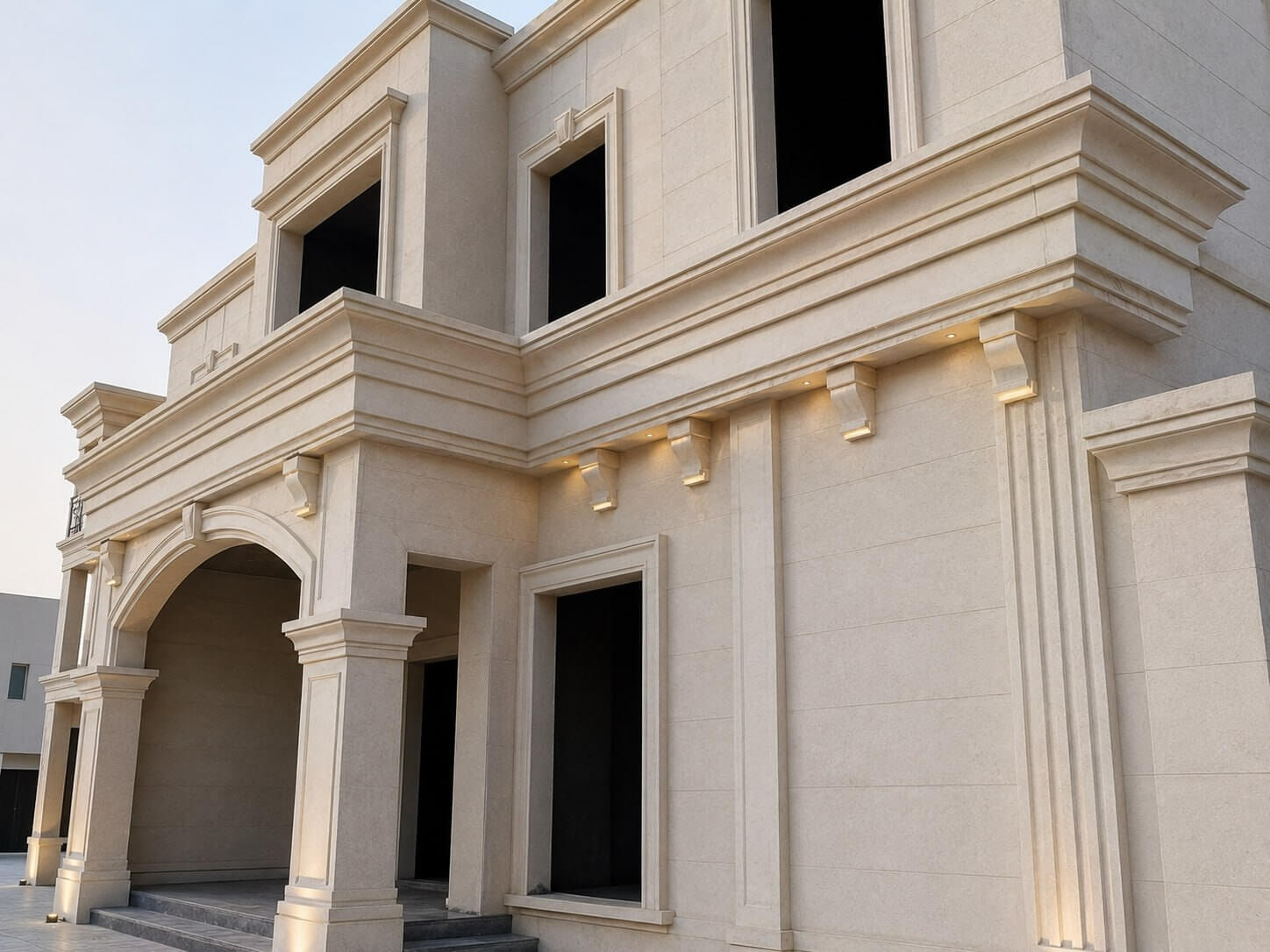
AfterGRC cornice and unit installation - after

GRC cornice and unit installation

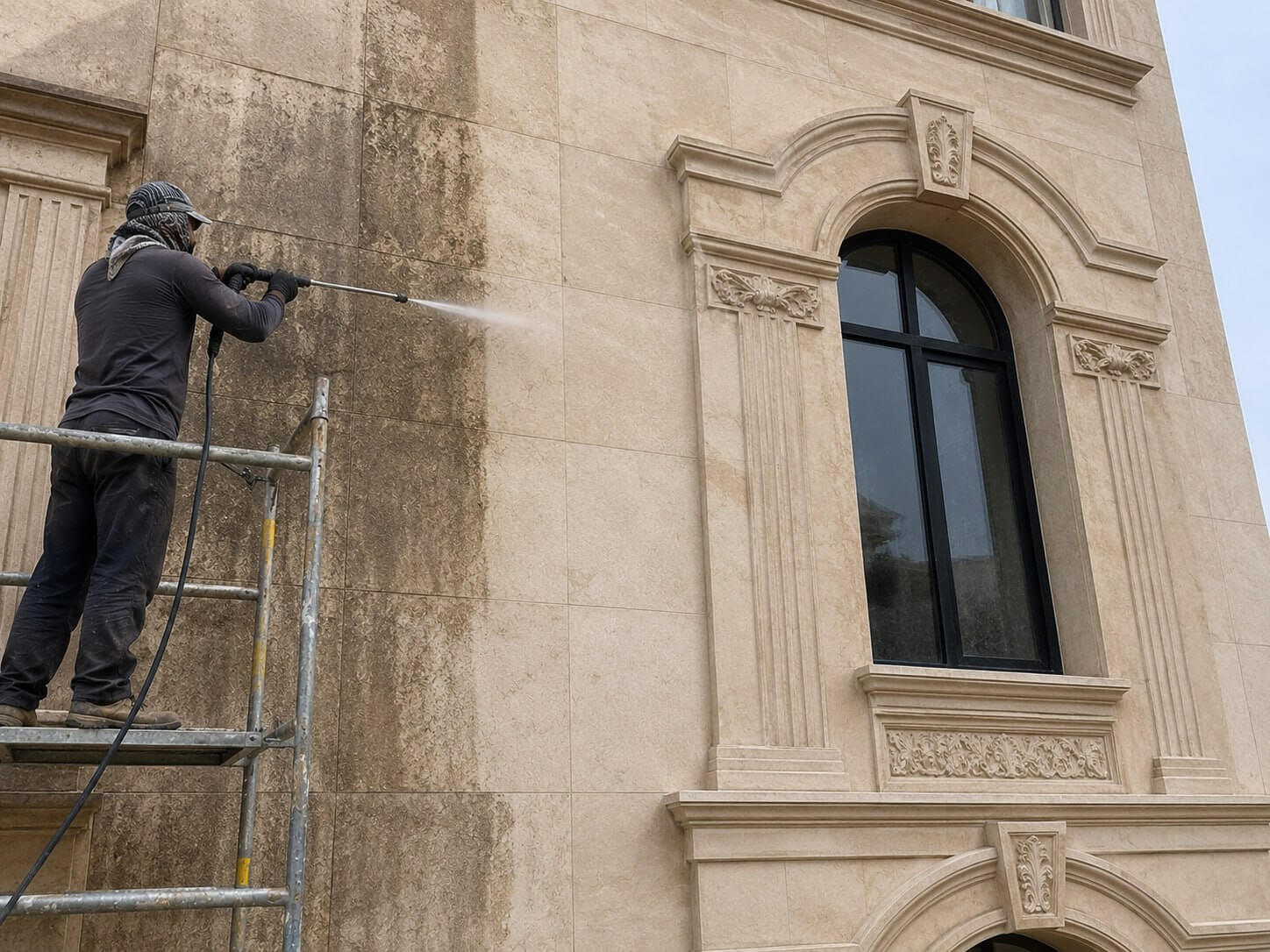
BeforeStone facade restoration and cleaning - before
AfterStone facade restoration and cleaning - after

Stone facade restoration and cleaning

Why YAMIC

Reliable natural stone and GRC work in Saudi Arabia

Close engineering supervision and genuine materials from the first visit to handover

Thorough engineering study

Choosing the right material and design for your facade

Approved materials

Natural stone and GRC units to high-quality standard specifications

A complete technical team

Engineers and technicians with long experience in stone and GRC

A real warranty

On installation, finishes and materials used

Step by Step

How we deliver your facade project

From first contact to handover: clear steps with no surprises

01

Contact Us

Contact us by WhatsApp or phone and tell us about the facade you want

02

Material and design selection

We prepare material samples, an initial design and a clear quote with no surprises

03

Site Visit

A specialist team inspects the site and assesses the facade and technical requirements

04

Installation and finishing

Our technical team installs the stone and GRC with the best materials and keeps you updated throughout

05

Handover & Warranty

Final facade handover with a real warranty after handover

Where we work

We serve every city in Saudi Arabia

Our headquarters is in Riyadh, and our teams deliver projects across every region of Saudi Arabia with the same quality, engineering supervision and warranty.

Complete guide

GRC and Natural Stone Facade Cladding in Saudi Arabia Explained

The facade is the first thing a visitor sees of your home or project. It is also the part that faces the sun, dust and humidity every day. So the choice of material and the installation method decide both the look of the building and its lifespan.

This guide brings together what a villa, palace or commercial project owner should know before installing GRC facades or natural stone facades. You will find a clear comparison, the installation steps, what affects the cost and how to inspect and maintain the work. The aim is for you to discuss the project with any contractor while understanding the details.

What the Service Covers and Who It SuitsA quick look at stone and GRC works and who benefits from them most.

Cladding building facades with natural stone or GRC is not just pieces stuck onto a wall. It is a complete piece of work that starts with reading the architectural drawing and ends with clean joints and a treatment that protects the surface. In between are many details that separate a facade that stays beautiful from one whose defects show quickly.

Works usually included in the scope

  • Studying the facade and defining where stone goes and where GRC units go, according to the design.
  • Preparing the surface and treating cracks and unevenness in the render or blockwork.
  • Installing the right fixing system, whether adhesive, metal anchors or a supporting frame.
  • Installing the stone, cornices, columns and surrounds around windows and doors.
  • Filling the joints, sealing the surface and treating it against water and salts.
  • Final cleaning and handover of the facade with maintenance notes.

Who benefits from the service

Owners of new villas are the largest group. They want a facade that reflects their taste and lasts a long time. Palace owners often ask for classical details such as columns, small domes and ornamentation. This is where GRC comes in, because it allows precise shaping at a light weight.

Commercial projects such as showrooms, office buildings and residential compounds need a consistent facade that is quick to install and easy to maintain. These projects often combine large stone panels with repeated GRC units cast from the same mould.

Another important group is existing buildings that need their facade renewed without demolition. Here we start by inspecting the old wall and its ability to carry the new cladding. The solution may be part of a complete villa renovation project that also covers waterproofing, paintwork and external flooring.

Partial work or a complete facade

You do not have to clad the whole building. Some clients settle for the front elevation and the main entrance. Others add the boundary wall and gate to complete the picture from the street. We help you identify the parts that give the greatest visual impact, based on how the building is seen and how people move around it.

The key point is that every facade has its own story. A facade in a quiet residential district of Riyadh differs from one on a commercial street in Dammam or Jeddah. Good design considers the location and use before the look.

Natural Stone or GRCA practical comparison of the two materials to help you choose for your facade and goal.

Many clients ask which is better. The honest answer is that each material has its place, and most successful facades combine the two. Stone provides the large masses, walls and plinths. GRC provides the details that are hard to carve in stone.

The right choice starts with a simple question. What do you want from the facade first? Natural grandeur, fine detail or a lighter load on the building? The answer sets the share of each material in the design.

Brief comparison

CriterionNatural stoneGRC
WeightHeavy and needs strong fixingLight and reduces the load on the building
Detail and ornamentationLimited and needs costly carvingVery flexible and cast in moulds
AppearanceNatural veining and colours that never repeatUniform colour that can be pigmented or painted
DurabilityVery high with correct treatmentGood with a quality mix and fibres
MaintenanceCleaning and periodic treatmentChecking joints and repainting when needed
Repetition across the projectEach piece differs slightlyPrecise repetition of the same shape

When to choose stone

Choose stone if you want a grand natural look that grows more beautiful with time. Stone suits large walls, boundary walls and the lower base of the building, which are the places most exposed to rubbing and knocks.

When to choose GRC

Choose GRC if the design includes projecting cornices, arches, muqarnas and capitals on columns. Also choose it if the structure cannot carry much extra weight. GRC cladding on the upper floors is lighter on the building and easier to install.

The mixed solution

For villas and palaces we often propose stone on the walls and GRC units for the cornices and surrounds. This way you get the grandeur of stone and the precision of ornament together. The secret is matching the colour of the two materials. So we prepare a GRC sample next to the stone sample and look at them under the site's sun before approval.

A point many people overlook

The material is not only a decision about looks. It is a structural decision too. Heavy stone on the upper floors requires the load on the wall and parapet to be calculated, and large GRC units need carefully planned hanging points. So the engineer reviews the chosen option against the condition of the building before we approve it.

Stone Types and GRC OptionsThe most common facade stones and the GRC unit shapes available.

The market is full of trade names, and some are used for more than one type. So it is better to know the properties before the name. Ask about the stone's porosity, its hardness and how its surface is finished. These properties decide how it behaves on the facade.

Common facade stones

  • Limestone is the most widespread on villa facades. Its colour is calm, between beige and a yellowish white. It needs good treatment because it absorbs more water than other stones.
  • Riyadh stone and local stones stand out for their harmony with the surroundings and their availability. Their shades vary by quarry and batch.
  • Granite is very hard and suits plinths, external steps and places exposed to abrasion.
  • Marble is used at entrances and in sheltered areas rather than fully exposed facades, because it is affected by some acids and salts.
  • Engineered stone is a different option from natural stone and must be stated clearly in the quotation to avoid confusion.

Stone surface finishes

The same stone looks different depending on its finish. A polished surface shines and shows the veining. A honed surface is calm and easy on the eye. A flamed or bush hammered surface is rough and hides dust and stains. On facades exposed to the sun we lean towards honed or textured finishes because they do not reflect light in an uncomfortable way.

GRC unit options

  • Top GRC cornices below the parapet and cornices separating the floors.
  • Window and door surrounds in simple or ornate shapes.
  • Columns, capitals and bases in classical or modern style.
  • Arches, mashrabiya and decorative screens for boundary walls and balconies.
  • Flat panels to clad whole areas with geometric lines.

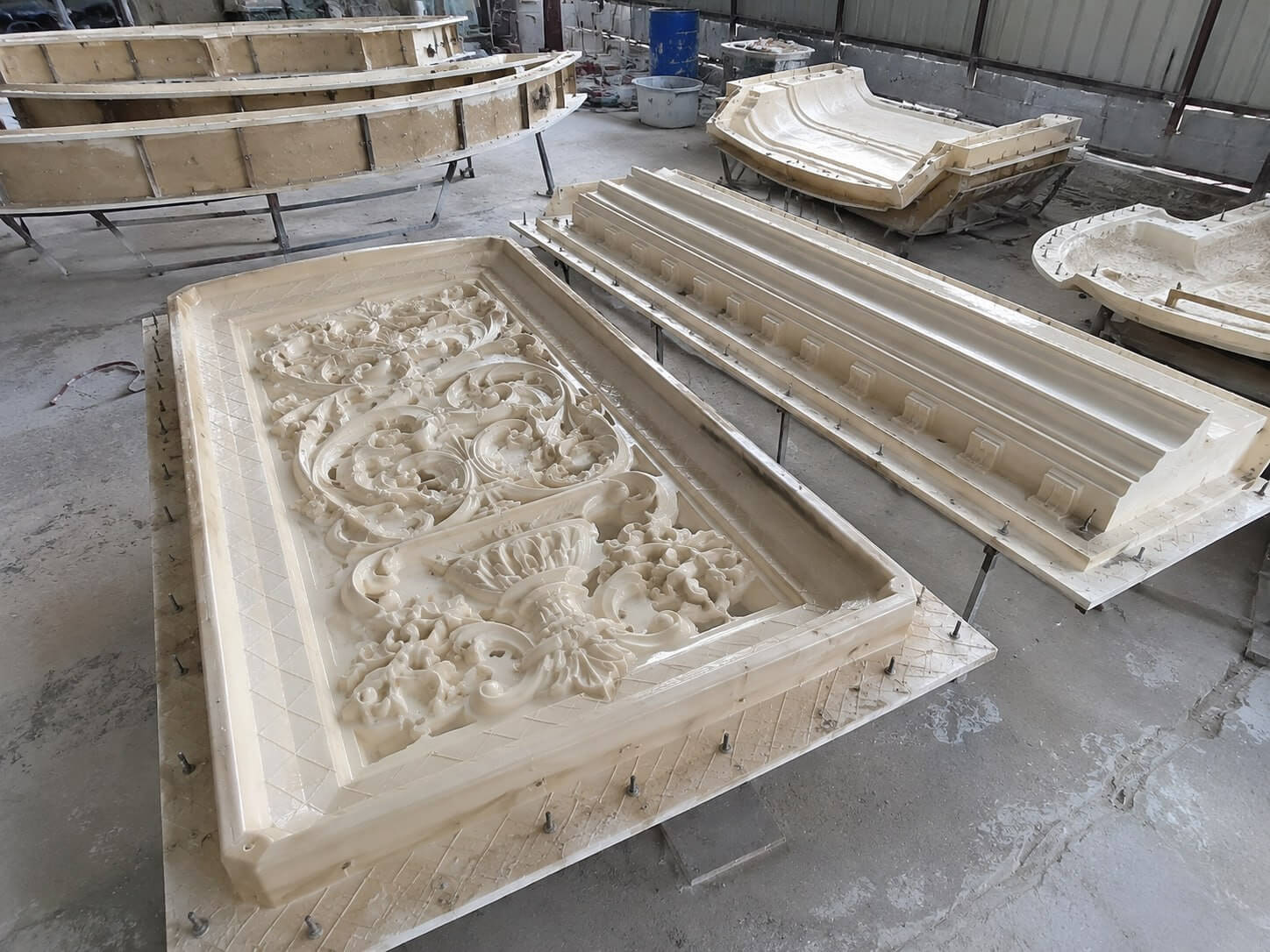
Custom moulds can be made for your design instead of settling for standard shapes. This is useful when the architect has drawn a unique detail. The number of repeated pieces determines whether a custom mould is a practical option.

Coordinating stone with the rest of the building

Stone does not live alone on the facade. It sits next to the colours of the aluminium, glass, timber doors and external lighting. Coordinating these elements makes the difference between a harmonious facade and a crowded one. This can be part of our interior and exterior design service so the facade comes out with one clear idea.

A practical tip. Do not approve a colour from a phone photo or a catalogue. Ask for a real piece, place it on a wall on site and look at it in the morning and before sunset.

Installation Stages from Site Visit to HandoverThe work sequence as it actually happens on site and what takes place at each stage.

A successful facade is built in a clear order. Any skipped stage shows its result later as cracks, staining or uneven pieces. These are the stages as we apply them on our projects.

  1. Technical inspection where the engineer visits the site, measures the facades and checks the condition of the walls, columns and parapet, and decides whether the surface is ready or needs preparation.
  2. Design study where we review the architectural drawing or propose a layout for the stone and GRC units. We set the joint lines and piece sizes so the cutting is consistent at corners and openings.
  3. Sample approval where we prepare stone samples in their final finish and GRC units in their colour. The client signs the approved sample so it becomes the reference at handover.
  4. Written quotation covering quantities, specifications, the fixing method and payments linked to the stages.
  5. Surface preparation where we treat cracks, correct flatness and apply waterproofing where needed. On older buildings we remove any weak finish before starting.
  6. Supply and inspection where batches are checked on arrival at site. We reject any broken or off colour piece before it reaches the wall.
  7. Installation which starts from the bottom upwards with clear level lines and datums. Metal anchors are fitted for large and heavy pieces, and GRC units are fixed on calculated hanging points.
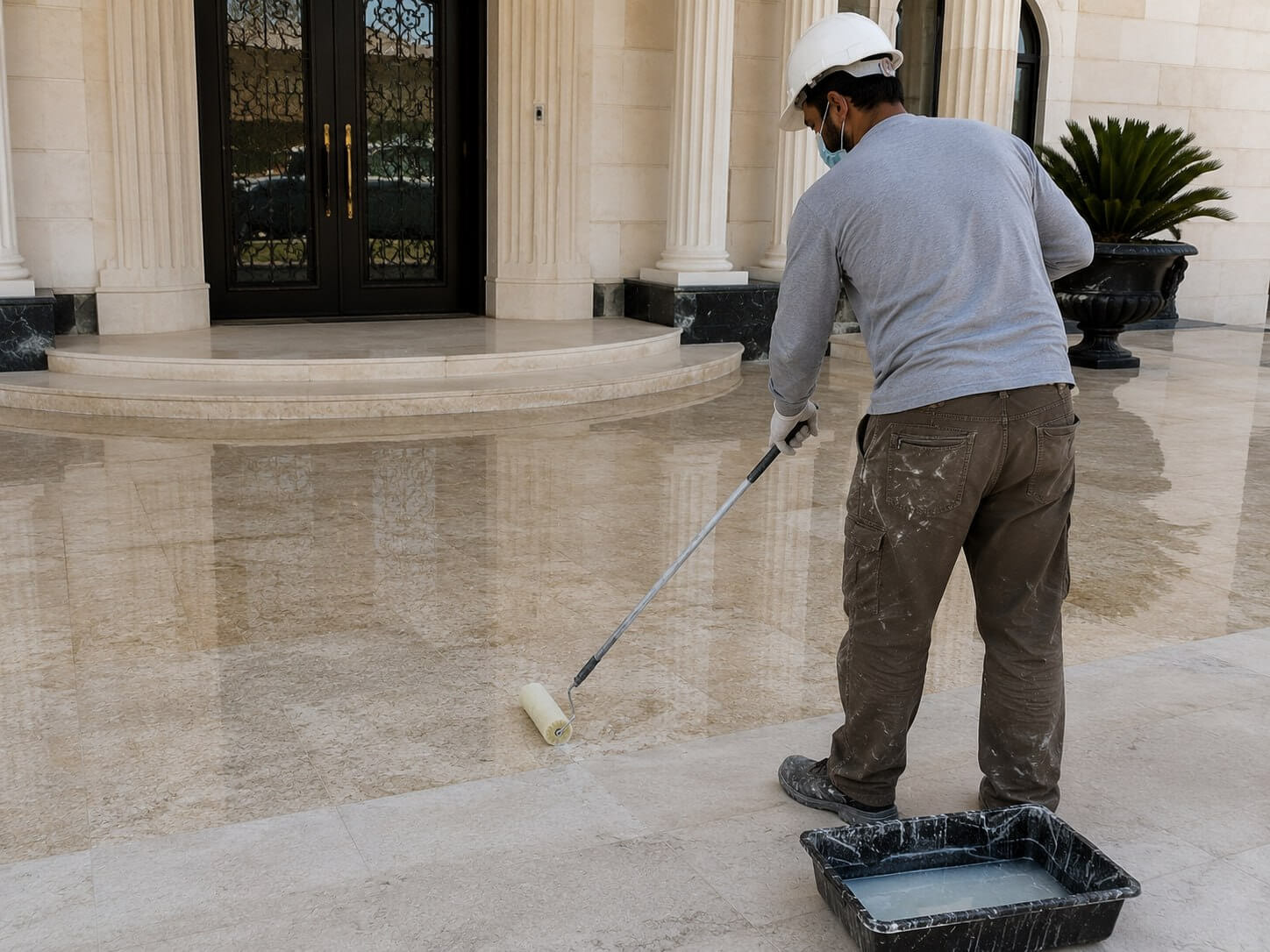
  8. Joints and treatment where joints are filled with a flexible sealant suited to exterior use. The surfaces are then treated with a water repellent according to the material.
  9. Cleaning and handover where the facade is cleaned of material residue. Then we walk every elevation with the client, record the remarks and close them before final handover.

Your role as the client

Be present at sample approval and for the first course of installation. These moments decide the look of the whole facade. After that, following up through photos and occasional visits is enough.

What sets the pace of the works

The pace depends on the facade area, how ready the wall is and the availability of the approved material. Making GRC units in custom moulds needs time before installation starts. So we plan the schedule so surface preparation on site runs in parallel with fabrication in the factory, and the work never stops waiting for pieces.

We also make sure installation does not take place during the hottest hours on exposed facades. The adhesive dries too quickly and does not reach its full strength. Good shift planning protects both the quality of the work and the technicians.

Materials and Fixing MethodsWhy the quality of the mix, anchors and adhesive matters as much as the stone itself.

Most people focus on the look and colour of the stone. But the life of the facade depends to a large extent on what the eye does not see, meaning the adhesive, the anchors, the fibres inside the GRC and the joint sealant.

Components of good GRC

GRC is concrete reinforced with alkali resistant glass fibres. This point is essential. Ordinary fibres weaken over time inside cement, while alkali resistant fibres keep their strength. Ask about the type of fibre and the casting method, whether spray or premix. The spray method usually produces stronger pieces for large units.

  • Even thickness throughout the piece with no thin spots.
  • Moist curing of the pieces after casting so they reach full strength.
  • A surface free of bubbles and hairline cracks.
  • Hanging points cast into the piece during fabrication.

Stone fixing methods

Adhesive fixing suits light and medium pieces on a flat, sound surface. The adhesive must be made for stone and exterior use and must cover the back of the piece completely with no voids.

Mechanical fixing with metal anchors suits large, heavy pieces and upper floors. Stainless steel anchors are preferred because they do not rust. Rust in ordinary anchors causes brown stains on the stone and weakens the fixing.

The hybrid system combines adhesive with safety anchors. This is what we prefer on many facades because it adds an extra layer of protection.

Joint and treatment materials

The joint between pieces is not just a gap. It is a space that lets the material expand with heat. If it is filled with a rigid, inflexible material, cracks appear. So we use a flexible sealant made for exterior use in a colour close to the stone. The final treatment is chosen according to the stone's porosity so it repels water without changing its colour or making it unnaturally glossy.

Storing materials on site

Even the best material can be damaged if it is stored the wrong way. Stone is placed on pallets raised off the ground and covered from rain and dust. GRC units are moved and lifted from their designated points so their edges do not break. Adhesive is kept out of direct sun, because heat spoils its properties before use.

The bottom line is that excellent material with weak fixing gives a weak result, and the reverse is also true.

What Determines the CostThe factors that raise or lower the cost of a facade so you can understand any quotation.

There is no fixed price that suits every facade. A quotation given before a site inspection is usually an estimate. These are the main factors the final figure depends on.

Material factors

  • Stone type and origin since local stone differs from imported stone, and granite differs from limestone.
  • Thickness and size since large, thick pieces need different handling and fixing.
  • Type of finish since a polished or hand carved surface takes more work than a standard one.
  • GRC quality in terms of fibre type, casting method and thickness.

Design factors

  • The amount of ornamentation, projecting cornices and arches.
  • The need for custom moulds instead of available ones.
  • The number of corners and openings that need precise cutting.
  • Combining more than one material and colour on the same facade.

Site factors

  • Building height and the scaffolding and lifting equipment it requires.
  • Wall condition since a wall that needs preparation and treatment adds an item to the works.
  • Ease of access in busy districts or narrow streets.
  • The city and its distance from supply sources.

System factors

The fixing method has a clear effect. Mechanical fixing with stainless steel costs more than adhesive alone but is safer for large pieces. Good waterproofing and treatment materials raise the cost a little but save you a great deal in maintenance.

How to save without losing quality

You can use stone on the main elevation and a simpler finish on the side and rear elevations. You can use repeated GRC units instead of many different moulds. But do not save on anchors, adhesive or waterproofing. These are the parts that protect your investment. Repairing a facade that has lost pieces or has water behind it costs far more than doing it correctly from the start.

Why quotations differ between contractors

You may receive widely different quotations for the same facade. The reason is usually that each quotation covers a different scope. Some leave out surface preparation, waterproofing and scaffolding. Some name the stone without its thickness or finish. So ask every contractor for the same list of items and compare them item by item. Then the difference becomes clear and you know where each part of the amount goes.

Quality Checks and Common MistakesWhat to ask to inspect during the works and the most common mistakes that spoil a facade.

Quality is not measured on handover day alone. It is a chain of small checks during the works, and as the client you are entitled to ask to see them.

Checks to request from the contractor

  • Matching the stone on site against the signed, approved sample.
  • Checking the courses for level with a string line or laser level before the facade is completed.
  • Seeing the anchors before they are installed and confirming they are stainless steel as per the quotation.
  • Confirming that the adhesive covers the whole back of the piece and not scattered dabs.
  • Inspecting GRC units before installation to make sure they are free of cracks and breaks.
  • Consistent joint width across the whole facade.
  • Lightly tapping some pieces after installation to detect a hollow sound behind them.

Common mistakes that spoil a facade

Approving the colour from one small batch. The rest of the quantity then arrives in a different shade. The solution is to supply the full quantity, or source it from the same quarry, and mix the crates before installation.

Installing on a surface that is not ready. Cracks and damp in the wall pass through to the stone over time.

Neglecting expansion joints. Cracks then appear in the pieces after the first harsh summer.

Using ordinary anchors. They rust and leave stains that are hard to remove.

Cleaning the facade with strong acids. This burns the surface of limestone and changes its colour.

Installing heavy GRC without calculating the hanging points. This causes the piece to tilt or fall.

Missing water shedding details. Top cornices need falls and a drip that stop water running down the facade and leaving dark streaks.

Many of these mistakes do not show in the photos on handover day. They appear after the rain and heat seasons.

Final handover

At handover, stand back from the building and look at the whole facade in daylight. Then move closer and inspect the corners, window edges and cornice ends. These places reveal the precision of the work more than flat areas do. Record any remark in writing and ask for it to be closed before the final payment.

The simple rule is that any contractor confident in their work will not mind you seeing the anchors and adhesive and asking about them. Asking early is much easier than repairing late.

Climate and Its Effect Across the KingdomHow material and treatment choices differ between the central region, the coast and the south.

The Kingdom is vast and its climate varies. A facade that succeeds in Riyadh may need adjustments to succeed in Jeddah or Abha. So we choose the material and treatment according to the city, not only the catalogue.

The hot, dry central region

In Riyadh, Qassim, Hail and Al Kharj, summer temperatures are high and the difference between night and day is marked. This makes the stone expand and contract constantly, so expansion joints and a flexible joint sealant become essential. Dust is present most days of the year, so we prefer honed and textured finishes that hide it. Light colours reflect heat and help reduce the air conditioning load.

The humid coast

In Jeddah, Dammam, Al Khobar, Jubail and Yanbu, humidity and salty air are the biggest challenge. Salts enter the pores of the stone and then appear on the surface as a white layer, and humidity speeds up the rusting of any non resistant metal. So here we insist on stainless steel anchors and on waterproofing the wall behind the cladding. We choose a less porous stone or treat it with a water repellent suited to marine conditions. GRC units in these cities need an exterior paint that resists humidity.

The cooler southern highlands

In Abha, Khamis Mushait and Al Baha, temperatures drop in winter and rain is more frequent. Water that enters the pores of the stone can freeze on cold nights and cause the surface to flake. So we choose a dense stone and treat it well. We pay special attention to cornice falls and the drips beneath them so water does not stay on the facade.

The northern and western inland regions

In Al Ahsa, the heat of the central region meets humidity close to that of the coast in some seasons. So we treat projects there with double care for joints and metals.

In Tabuk, Madinah and Taif, winter cold meets summer heat. Here we balance the requirements of the central region and the south.

The general rule is that a contractor working in more than one region knows these differences from experience. They ask you about the building's location and the facade orientation before proposing a material. A west facing facade, for example, takes the harsh afternoon sun and needs more attention to expansion and colour.

RegionMain challengeWhat we focus on
CentralHeat and dustExpansion joints and honed finish
CoastHumidity and saltsStainless steel, waterproofing and treatment
SouthRain and coldDense stone and water drainage
Maintenance After HandoverA simple routine that keeps the facade colour and the fixing of its pieces sound for a long time.

A stone or GRC clad facade does not need daily care, but it does need simple, regular follow up. Long neglect is what turns a small remark into a major repair.

Correct cleaning

  • Use water at moderate pressure and a soft brush to remove dust.
  • Avoid acids and harsh cleaners, especially on limestone and marble.
  • Test any cleaner on a hidden corner before using it on the facade.
  • Do not use very high water pressure close to the joints, because it may open them.

A periodic check you can do yourself

Walk around the building after the rainy season and after the summer, and look at these points.

  • Any joint that is cracked or has come away from the stone.
  • Brown stains that may mean rust in an anchor.
  • A white layer on the surface showing salts coming out of the wall.
  • Dark streaks below the cornices meaning water is running down the facade.
  • Any GRC piece with a crack or a tilt.

Re treatment

The water repellent weakens with sun and time. When to reapply it depends on the type of stone, the building's location and how exposed it is to sun and rain. A simple test is to spray a little water on the stone. If it absorbs it quickly and changes colour, it is time for treatment.

Maintaining GRC units

Painted GRC units need repainting when the colour fades or flaking appears. Before painting, the piece is cleaned and any hairline cracks are treated. It is important to use an exterior paint that lets the surface breathe so moisture is not trapped underneath.

Older facades

If the facade is old and has not been treated for a long time, it may need deep cleaning before any new treatment. Sometimes damaged pieces must be replaced with pieces that match in colour and finish. This takes experience in matching so the new pieces do not look like patches on the facade.

When to call the contractor

If you notice a piece moving, a hollow sound behind the stone or water leaking inside, do not wait. These signs need a technical inspection. If the facade is within its warranty period, review the contract terms and contact the installing company directly.

Choosing a Contractor and How YAMIC WorksWhat a written quotation should contain and how we work from site inspection to warranty.

Choosing the right contractor to install GRC and stone facades saves you a lot of worry. The right comparison is not the total figure alone but what that figure includes.

Questions to ask any contractor

  • Does an engineer visit the site before pricing, or are photos considered enough?
  • What type of anchors, adhesive and joint sealant will be used?
  • Where is the stone sourced from, and is a consistent colour guaranteed across the whole quantity?
  • Who makes the GRC units, and what fibre type and casting method are used?
  • Who is responsible on site, and how will you receive progress updates?
  • What does the warranty cover, and how is it written into the contract?

What a good quotation contains

  1. A clear description of the scope for each elevation.
  2. The type, name, thickness and finish of the stone.
  3. Specifications, number and shapes of the GRC units.
  4. The fixing method and the type of metal.
  5. Surface preparation, waterproofing and treatment works.
  6. Detailed quantities for each item.
  7. A payment schedule linked to the execution stages.
  8. Written warranty terms.
  9. What is outside the scope, stated clearly so no extra items appear later.

Signs of a weak quotation

Be careful if the quotation is a single line with a lump sum, if the contractor refuses to specify the type of anchors, or if no site inspection was requested at all. These are signs that important details have not been priced and may appear later as additional claims.

How we work at Yam Integrated Construction

Our head office is in Riyadh and our teams work in Jeddah, Makkah, Madinah, Dammam, Al Khobar, Abha, Tabuk and other cities across the Kingdom. We apply the same method on every project.

  • Site visit by an engineer who measures and inspects before any figure.
  • Written quotation with the items, specifications and quantities.
  • Engineering supervision of supply, installation and inspection at every stage.
  • Photo updates sent to you as the work progresses, even if you are out of town.
  • Written warranty documented in the contract for installation and materials.
  • One responsible team from site inspection to handover.

If you have a new or existing facade that needs cladding or GRC cornices, start with a simple step through our contact us page and we will arrange a site inspection.

Specifications to request in writingThe technical details that should appear in the quotation and contract before any installation begins.

Many facade disputes start with a vague phrase in the quotation such as premium stone or professional installation. The answer is to ask for the specifications item by item in writing. This protects you and the contractor and makes handover clear for both sides.

Natural stone specifications

  • The name, source and colour of the stone as in the approved sample.
  • Thickness and size of the pieces and how the edges are cut.
  • Surface finish, whether polished, honed, bush hammered or flamed.
  • How much water the stone absorbs and whether it needs treatment before fixing.
  • How pieces are sorted so that different shades do not end up side by side.

GRC unit specifications

  • The type of alkali resistant glass fibre and the mix components approved by the factory.
  • Wall thickness of each unit and how it is reinforced from the back.
  • The type and material of anchors and steel frames and how they are protected against rust.
  • Final colour and texture and the painting method, if any.

Fixing and joint specifications

Ask the quotation to state the fixing system for each part of the facade. High sections and projecting cornices need mechanical fixing that does not rely on adhesive alone. Ask for the joint width and the type and colour of the filler. Also ask for the type of sealer applied to the surface after final cleaning.

Samples and a trial panel

Ask for an approved sample of each material, signed by both parties and kept on site until handover. On large facades it is better to build a small trial area on the wall itself before full installation. It shows the true colour in sunlight and the joint layout, and it lets you adjust any detail before it is repeated across the whole facade.

Documents to request with delivery

Ask for the factory data for the GRC units, the conformity certificate for the anchors and the sealer data sheet with its instructions. Keep them in the project file because they help with maintenance and with any warranty review.

How to compare two quotations

Put the two quotations side by side and check each of these items. If one states the stone thickness and anchor type and the other does not, the comparison is not fair. Ask the second contractor to complete the missing items in writing before judging the price. A lower quotation may be lower simply because it leaves out an important item.

At Yam Integrated Construction we write these specifications into the written quotation before signing, so you know exactly what you will receive.

Coordinating with other tradesHow to sequence stone work with windows, lighting, air conditioning and waterproofing so nothing gets broken after installation.

A facade is where many trades meet. It carries windows, doors, AC units, exterior lighting, rain outlets and cameras. If the stone goes up before these details are settled, you may have to cut or break it later, and that leaves marks that are hard to hide.

Windows and doors

Agree the final opening sizes with the aluminium contractor before the surrounds are fabricated. A GRC window surround is made to a fixed size, and any change to the frame after fabrication means a new mould. It is better to install the window frames first and let the facade team take measurements directly on site.

Electrical and lighting

Fix the positions of concealed lighting behind cornices, floodlights and exterior power points, and run the conduits before cladding. Linear lighting under a cornice needs a channel designed into the unit during fabrication. Adding it after installation means exposed cables or cutting into the units.

AC and plumbing

Plan the routes of AC pipes and their condensate drains. Never let AC water run onto the stone, because it causes stains and salt deposits over time. Roof and balcony outlets should also extend far enough beyond the stone surface so water does not run down the facade.

Waterproofing and painting

Waterproofing the wall comes before the stone, not after it. Painting the uncladded areas is best done after installation and cleaning so the new facade is not stained. If painting happens first, protect the painted areas well during installation.

Cameras and security systems

Fix the positions of cameras, alarms and the exterior doorbell before cladding, and run conduits in the wall so cables come out exactly where they should. Drilling stone later can chip the edges or let water in behind the piece. The house name and number plate should also be located early so a suitable place is prepared for it in the design.

Commercial signage

In showrooms and commercial buildings, sign positions and their fixings are set before cladding. A heavy sign needs fixing points in the structure itself, not in the stone, and preparing these points early protects the facade from random drilling.

Who coordinates everyone

When more than one contractor works on the facade, the project needs one person to set the sequence and resolve clashes, ideally the site engineer. At YAMIC we prepare a sequence schedule for the facade works and review it with the client before starting. When the facade is part of a larger project with us, coordination stays within one accountable team.

Site safety and preparation during installationWhat to arrange around the building before scaffolding goes up and stone cutting begins.

Facade work happens at height and involves cutting, dust and heavy pieces. The site needs preparing before the scaffolding goes up, and this matters even more when the family is living in the house or when a commercial building is receiving visitors.

Scaffolding and work at height

  • Scaffolding set on level ground and tied to the building.
  • Full working boards and side guards to prevent falls.
  • Safety harnesses for technicians on high sections.
  • Heavy pieces lifted with suitable equipment, not carried up ladders.

Cutting and dust

Cutting stone produces fine dust. It is best done in a dedicated area away from windows and AC intakes, and wet cutting reduces dust considerably. Technicians need masks, goggles and gloves. Ask for nearby AC openings to be covered during cutting so dust does not get into the house.

Protecting the surroundings

  • Cover new windows and doors with a protective film.
  • Protect outdoor paving and planting from cement and adhesive.
  • Cover the pool, if there is one, to keep out dust and offcuts.
  • Set a storage area for stone and units away from vehicle routes.

Family and neighbours

Set a safe entrance for the family away from the work zone and keep children well away from the scaffolding. Agree suitable working hours with the contractor that respect rest and prayer times. It is courteous to inform the neighbours beforehand, since dust and noise may reach them. In commercial buildings, arrange an alternative entrance for visitors with clear warning signs.

At the end of each day

Ask for the site to be cleaned at the end of each working day. Cutting waste is gathered, adhesive and cement bags are closed, and loose pieces are secured so the wind does not knock them down. Access to the scaffolding is closed so nobody climbs it when the team is away. These simple habits prevent many accidents and keep materials from being damaged.

Climate and timing

In hot cities such as Riyadh and Qassim, work is best organised in the cooler hours, because adhesive dries quickly on a hot wall. In Jeddah and Dammam, the effect of humidity on the wall surface is checked before fixing. On days with strong wind, lifting large units is stopped. At Yam Integrated Construction we treat safety as part of build quality and review the site arrangements with the client on the first visit.

Interior stone walls and outdoor floorsWhat changes when you clad interior walls with stone or lay stone paths and paving around the house.

Stone work does not stop at the facade. Many owners ask for a stone feature wall in the majlis, behind the staircase or at the entrance, and for stone paving in the courtyard, along paths and around the pool. Each use has requirements that differ from an exterior facade.

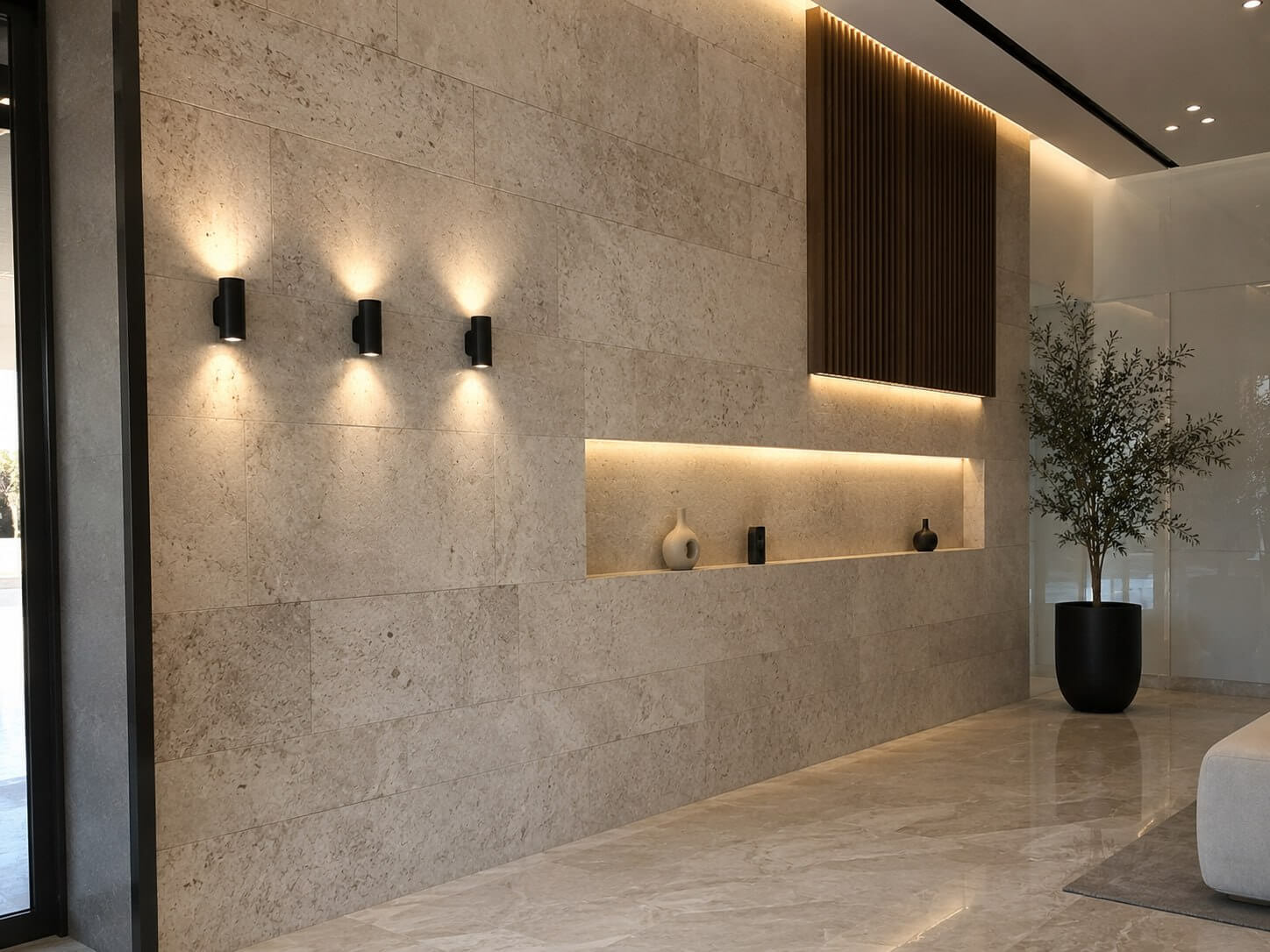
Interior wall cladding

Indoors, stone does not face sun and rain, but weight still matters because interior walls are often lighter than exterior ones. Thinner pieces or lightweight stone are used in some locations. Lighting coordination is important here, since side lighting brings out the texture of the stone and gives the wall depth. Plan the position of the screen, shelving and power points before cladding so the stone does not have to be drilled later.

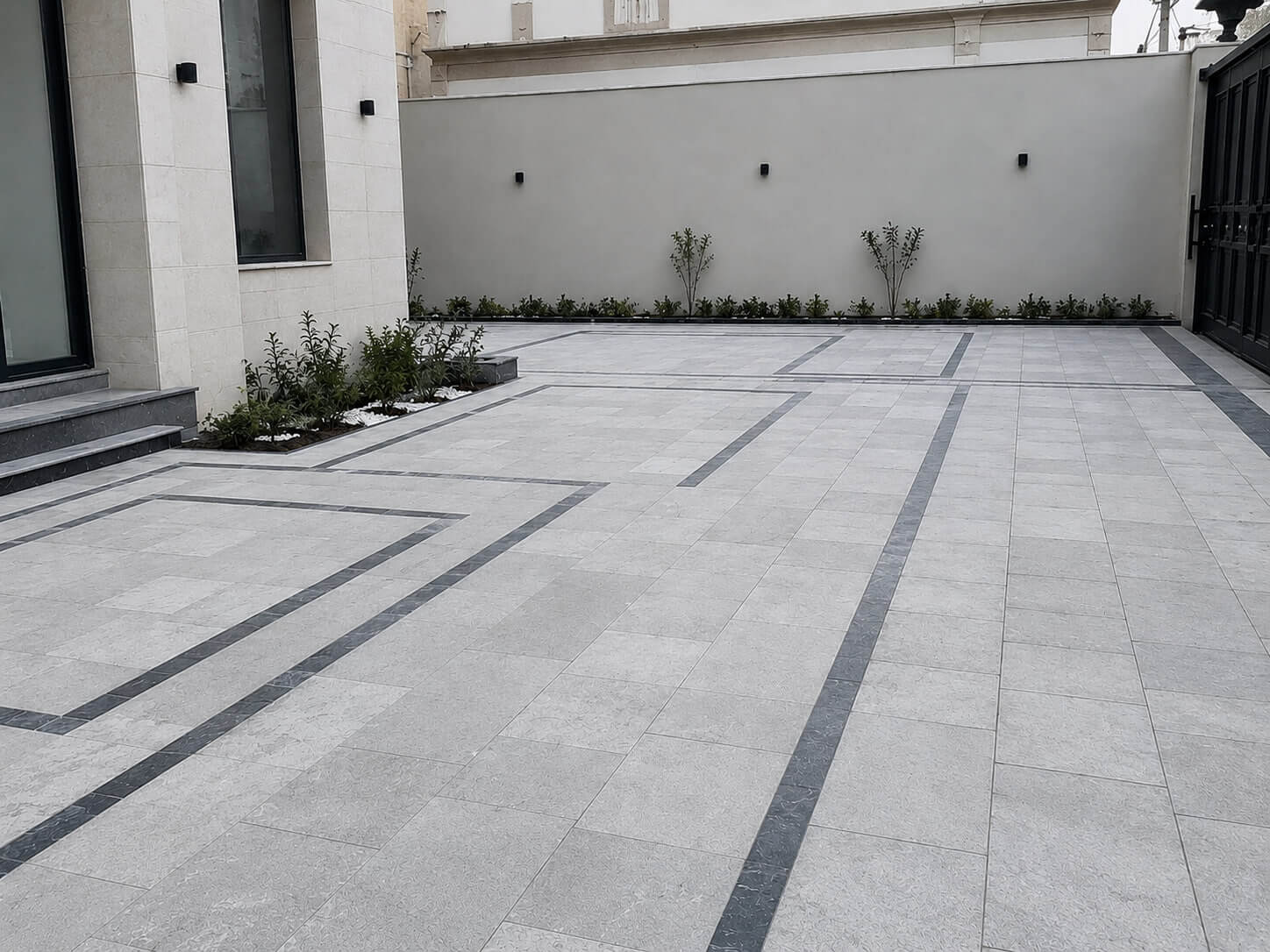
Outdoor floors

  • Slip resistance. A polished surface is a hazard around pools and entrances. A textured or bush hammered finish is better.
  • Drainage falls. The floor needs a planned fall towards the drains so water does not collect.
  • Load bearing. A driveway needs a stronger base and thicker pieces than a footpath.
  • Heat. Light coloured stone stays more comfortable underfoot in the central region summer.

Stone around pools and gardens

Pool copings need stone that resists chlorine and constant water, and a rounded edge so it does not hurt bare feet. In gardens, stone is laid on a well compacted base so it does not settle when the planting is watered, with a suitable joint between pieces to allow for expansion in the heat. If the courtyard is used for family seating, choose a colour that does not reflect strong glare.

Marble and granite

Marble is better suited to interiors because acids and strong cleaners affect it. Granite is tougher in outdoor areas and busy entrances. The choice depends on the location, daily use and the cleaning routine that suits the household.

Matching with the facade

When the same material is repeated on the facade, the floor and an interior wall, the house reads as one whole. Try to get the full quantity from a single batch so shades do not vary, and ask for a spare quantity to keep for maintenance.

In large majlis spaces, stone can be combined with wood or gypsum on one wall, but the lines where they meet must be set in the design. Two materials meeting without a clear detail leave untidy joints that catch the eye.

At YAMIC we inspect the space and propose the right material and finish for each use, then write it into the quotation before starting.

FAQ

Have a question about natural stone and GRC in Saudi Arabia?

The questions clients ask us most before starting a stone or GRC facade

It depends on the facade area and the material. We set a clear timeline after the site visit and agreeing the scope.

Natural stone is a solid natural material with a premium look and long-lasting colour, while GRC is a lightweight cast material that allows fine details and ornaments at a better cost. We help you choose what suits your facade design.

Yes. We give a real warranty on installation and materials, and explain the details before we start.

Yes. We are headquartered in Riyadh and deliver projects in all cities and regions of Saudi Arabia: Jeddah, Makkah, Madinah, Dammam, Khobar, Taif, Abha and more.

Of course. We take on complete facades or a single element, whether stone installation, GRC cornices, restoration and cleaning or anything else you need.

Payment is made in installments linked to execution stages, agreed upon with you in detail before the project starts.

Yes, after inspecting the wall and confirming it is sound. We usually remove the paint and weak layers and prepare the surface before installation so the stone bonds to the wall itself and not to the paint.

Units made with a good mix are not structurally affected by the sun. The colour depends on the paint or pigment used, so we choose a UV resistant exterior paint that is renewed when needed.

Gypsum is suitable for interiors only because it is affected by water and humidity. GRC is concrete reinforced with glass fibres and designed to withstand exterior conditions.

In most cases yes, especially in coastal and southern cities. Waterproofing stops moisture reaching the stone from behind and reduces salt deposits and staining.

Yes, after studying the fixing positions and whether the wall and parapet can carry the load. The pieces are designed to blend with the existing facade and its colour.

This is usually salts that have come out of the wall or mortar as water evaporates. It is treated with suitable cleaning, stopping the source of moisture and then treating the surface with a water repellent.

Yes, the mix can be pigmented or the pieces painted after fabrication. We prepare a sample next to the stone on site so we match the shade under real sunlight.

Yes, we clad facades for showrooms, office buildings and residential compounds as well as villas and palaces. We choose the material and fixing system according to the height and use of the building.

Order Now

Free quote request for your stone and GRC project in Saudi Arabia

Leave your details and WhatsApp will open with your message ready to send to our support team.

By submitting this form, WhatsApp will open with a ready message containing your details.

Contact Us

Phone Call Speak with us directly WhatsApp Message us on WhatsApp